
A Thin Blue Line: Unpacking the Complexities of Law Enforcement Support
Amidst the backdrop of a deeply polarized society, a contentious issue has emerged at the forefront of national conversation – the role of law enforcement in...
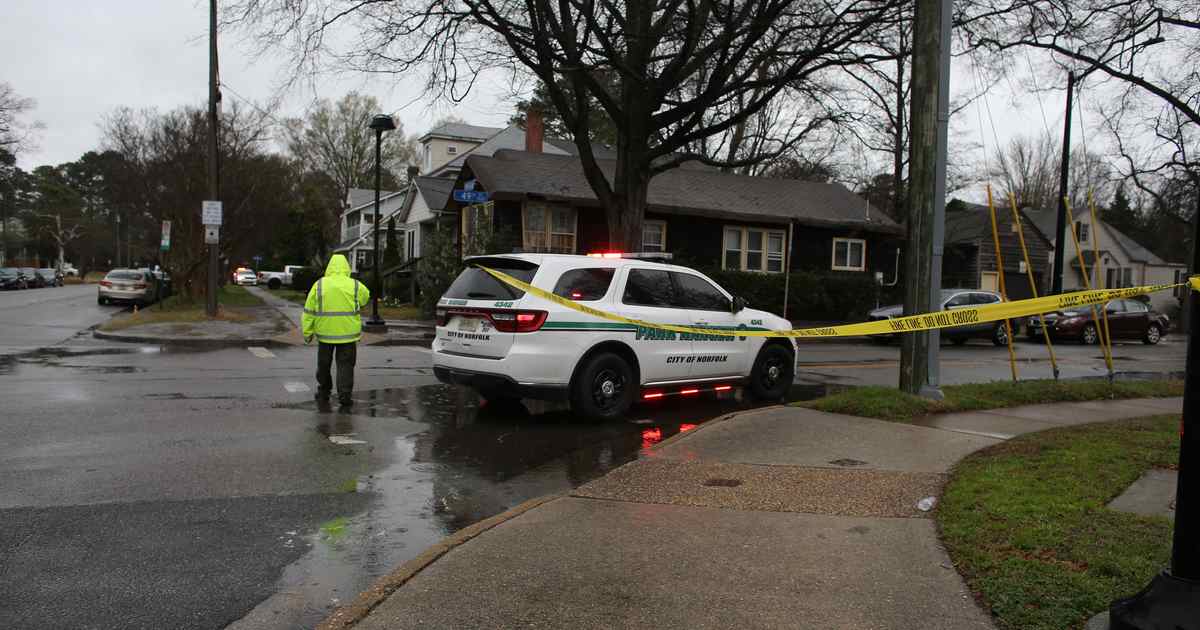
Amidst the backdrop of a deeply polarized society, a contentious issue has emerged at the forefront of national conversation – the role of law enforcement in modern America. While some passionately defend the men and women in blue, others fervently argue that they have lost sight of their core mission. As a nation struggles to find common ground, the lines are increasingly being drawn, and the question on everyone's mind is: who will stand with law enforcement in its darkest hour?
The Changing Landscape of Law Enforcement
The relationship between law enforcement and the communities they serve has long been a delicate one, but recent events have only served to further complicate the issue. From high-profile police brutality cases to allegations of systemic racism, the public's trust in law enforcement has been shaken to its core. As a result, many have begun to question whether the men and women who put their lives on the line every day are truly on the side of justice or simply perpetuating a system of oppression.
A Complex Web of Loyalty and Duty
But for those who have dedicated their lives to the pursuit of justice, the notion that they are somehow complicit in a broader scheme of oppression is nothing short of insulting. 'We're not just enforcers of the law,' says Sarah Jenkins, a veteran patrol officer with over a decade of service. 'We're human beings, just like everyone else. We have families, we have friends, and we have a deep sense of duty to serve and protect our communities.'
For many officers, the decision to become a cop is not about blindly following orders or upholding a system, but about making a difference in the lives of those around them.
Despite the growing tide of public distrust, many law enforcement agencies are working tirelessly to rebuild bridges with the communities they serve. From community outreach programs to de-escalation training, these efforts aim to foster a more nuanced understanding of the complex issues at play and to promote a culture of trust and cooperation.
What's Next for Law Enforcement Support
As the debate over law enforcement continues to rage on, one thing is certain: the status quo is no longer acceptable. Whether you stand with law enforcement or believe that they have lost their way, it's time to have a honest conversation about the role they play in our society. By listening to each other's perspectives and working together to address the underlying issues, we may just find that the lines of loyalty and duty are not as thin as they seem. The question is, will we have the courage to stand together and find common ground, or will we continue to stand divided, forever trapped in a cycle of mistrust and recrimination?


