
Beneath the Surface: China's Shark Finning Industry Threatens US Seafood Trade
The darkness of the Indian Ocean is home to a sinister trade that has been shrouded in secrecy for years – the ruthless shark finning industry, where migrant...
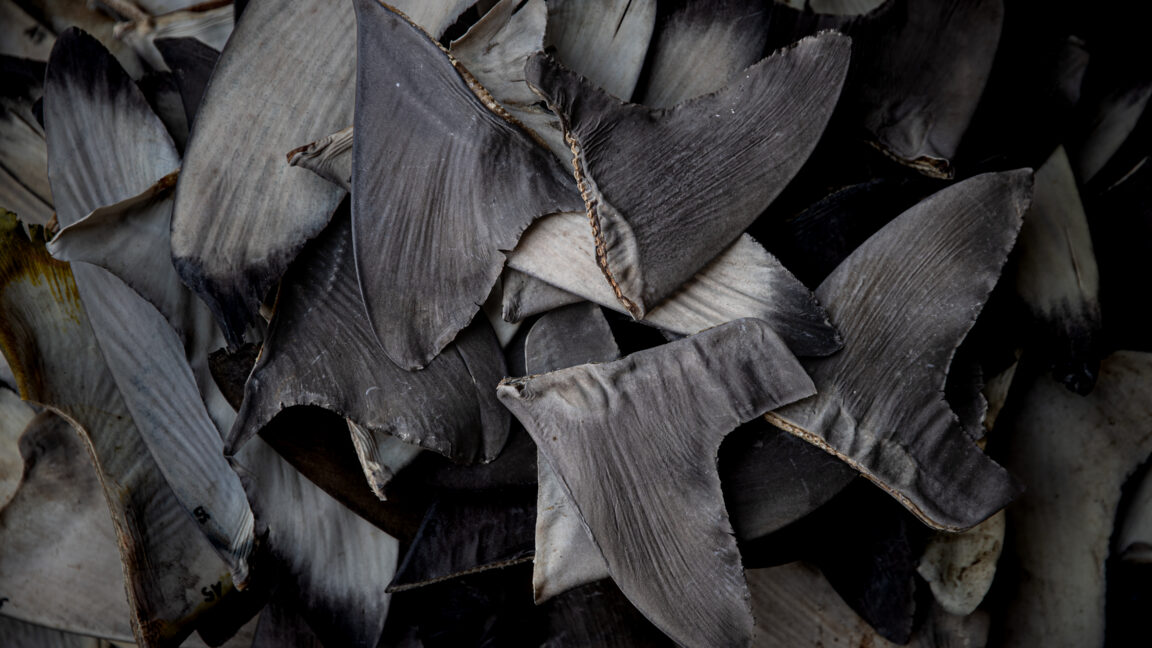
The darkness of the Indian Ocean is home to a sinister trade that has been shrouded in secrecy for years – the ruthless shark finning industry, where migrant workers on Chinese distant water fishing fleets are forced to cut the fins off struggling sharks, often under the cover of night. This brutal practice, driven by the lucrative demand for shark fins in China, has sparked fears that the US could impose sanctions on Chinese seafood imports, a move that would have far-reaching consequences for both countries.
The Brutal Reality of Shark Finning
For those who have witnessed the horrors of shark finning, the image of a shark's fin being hacked off while the animal is still alive is forever etched in their minds. It's a gruesome practice that's been linked to the decline of shark populations worldwide, with an estimated 100 million sharks killed each year. The Indian Ocean, a key hunting ground for Chinese fishing fleets, has become a battleground for this illicit trade.
According to a recent report by the Environmental Justice Foundation, migrant workers on Chinese fishing vessels are often subjected to inhumane conditions, with many being forced to work for months at a time without pay or proper food and water. The report also highlights the lack of regulation and oversight in the shark finning industry, with many Chinese vessels operating in international waters without proper permits or licenses.
“The shark fin trade is a perfect example of how the demand for luxury products can drive the exploitation of vulnerable communities and the destruction of the world's oceans.” – Ian Redmond, Environmental Justice Foundation
US Sanctions Looming?
The United States has long been a major market for Chinese seafood imports, with the two countries enjoying a lucrative trade relationship worth billions of dollars. However, the US government has been under increasing pressure to take action against China's shark finning industry, which has been linked to the decline of shark populations and the exploitation of migrant workers.
US lawmakers have been pushing for tougher regulations on Chinese seafood imports, including the introduction of new laws that would ban the importation of shark fins and other protected species. The move has been welcomed by conservation groups, who see it as a crucial step towards protecting the world's oceans and the creatures that call them home.
What's Next for the US and China?
As the US government considers imposing sanctions on Chinese seafood imports, the consequences for both countries could be far-reaching. A ban on Chinese seafood imports would not only hurt Chinese fishermen and seafood processors but also US consumers, who rely on affordable and sustainable seafood options.
Ultimately, the fate of the shark finning industry hangs in the balance. As the world grapples with the consequences of this brutal trade, it's clear that something must be done to protect the world's oceans and the creatures that call them home. The question is, what's next for the US and China in this battle to save the sharks?


