Bigger Jaws, Smaller Arms: Unraveling the Evolutionary Enigma of T. Rex
The iconic Tyrannosaurus rex is often depicted as a monstrous creature with an absurdly oversized skull, razor-sharp teeth, and – quite possibly – a dash of...
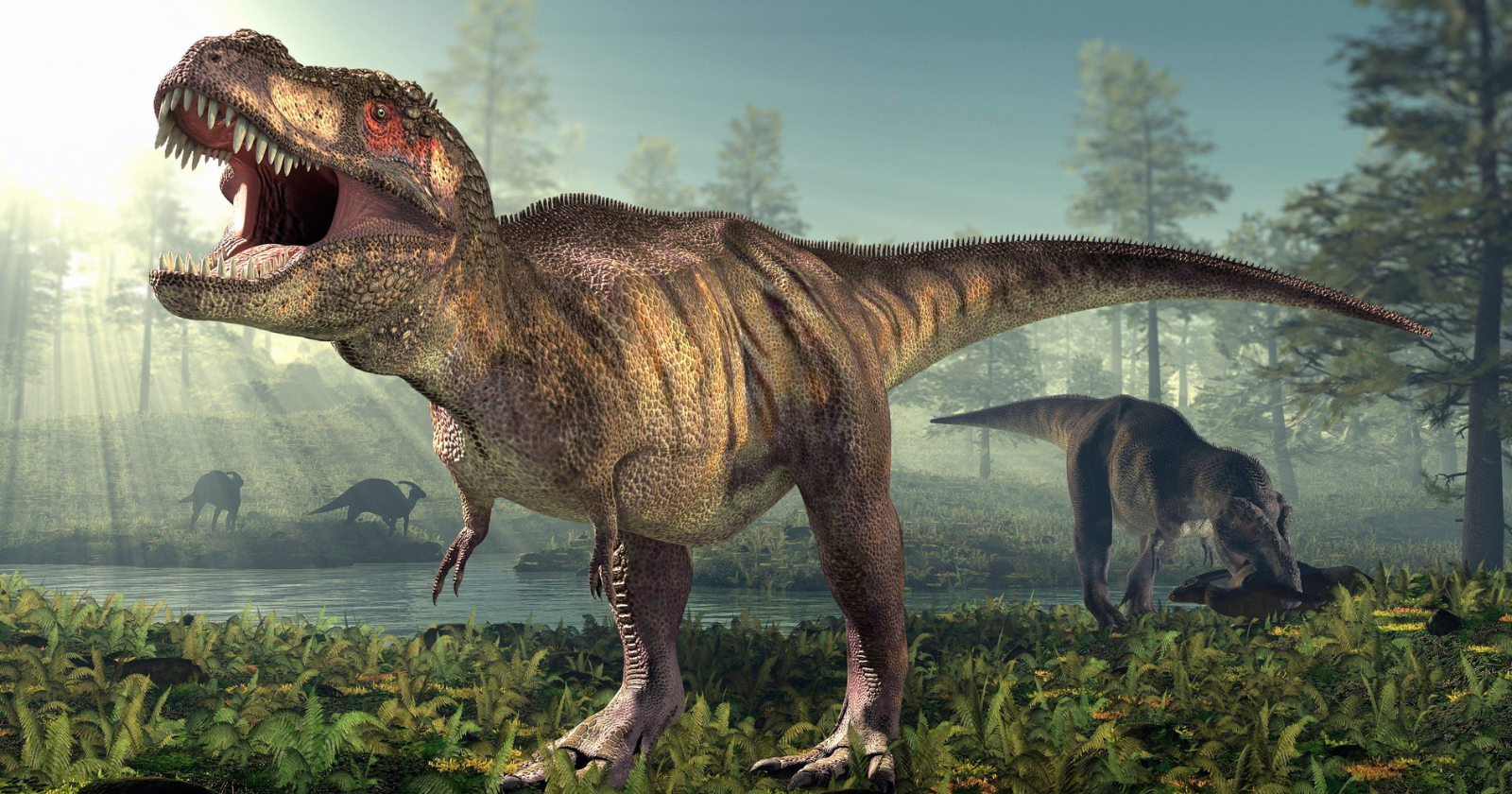
The iconic Tyrannosaurus rex is often depicted as a monstrous creature with an absurdly oversized skull, razor-sharp teeth, and – quite possibly – a dash of embarrassment about its diminutive arms. For over a century, the T. rex's tiny arms have been seen as an evolutionary joke, a relic of a bygone era when the mighty carnivore was still finding its feet. However, a groundbreaking new study has turned this conventional wisdom on its head, revealing a surprising explanation for the T. rex's famously short limbs.
Challenging the Status Quo
Researchers at the University of Pennsylvania have analyzed 82 meat-eating dinosaur species, including the mighty T. rex, to uncover a long-forgotten link between the evolution of the arms and the power of the jaws. According to their findings, the T. rex's tiny arms are not a result of its body getting bigger, but rather a direct consequence of its jaws becoming more powerful. This counterintuitive discovery has significant implications for our understanding of dinosaur evolution and challenges long-held assumptions about the T. rex's biology.
"The traditional view of the T. rex as a lumbering giant with short arms is a misconception. Our study shows that as the T. rex's jaws became more powerful, its arms shrunk in response."
The T. Rex's Jaw-Dropping Secret
The researchers used advanced computer simulations to recreate the biomechanics of the T. rex's skull and jaws, demonstrating how the powerful muscles and teeth enabled the dinosaur to deliver crushing bites to its prey. At the same time, the study found that the T. rex's arms had become shorter and more slender, a result of their reduced importance in the dinosaur's overall anatomy. This surprising correlation highlights the complex interplay between different body parts during the evolution of the T. rex.
What's Next for Dinosaur Evolution
As the scientific community continues to unravel the mysteries of dinosaur evolution, this study offers a fascinating glimpse into the intricate relationships between form and function. By challenging conventional wisdom and revealing new insights into the T. rex's biology, researchers are pushing the boundaries of our understanding of these prehistoric creatures. The implications of this discovery are far-reaching, offering a fresh perspective on the evolution of some of the most iconic animals to have ever walked the Earth.
The study's findings also raise important questions about the evolution of other carnivorous dinosaurs, and how their body plans may have been influenced by the development of powerful jaws. As researchers continue to explore the intricacies of dinosaur evolution, it is clear that there is still much to be learned about these fascinating creatures.