
Blood Libel or Fact-Reporting: The Israeli Government's Bitter Feud with The New York Times
The world of journalism is abuzz with a scandal that threatens to undermine one of the most revered institutions in the industry. The Israeli government has...
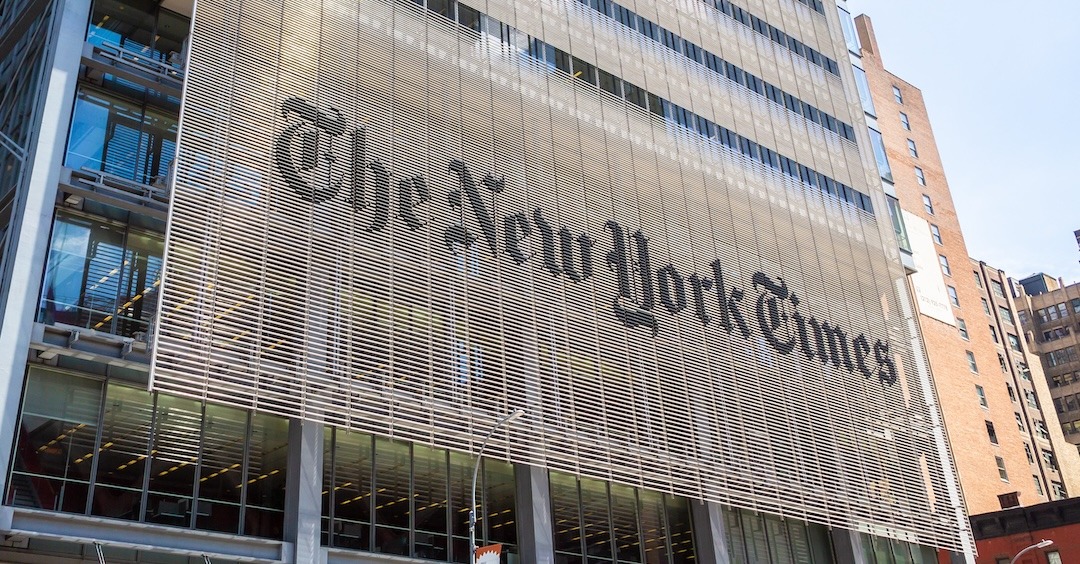
The world of journalism is abuzz with a scandal that threatens to undermine one of the most revered institutions in the industry. The Israeli government has launched a scathing attack on The New York Times, accusing the newspaper of antisemitic blood libel for its factual reporting. At the heart of the controversy is a series of articles published by the Times that detail the Israeli military's treatment of Palestinian civilians during the recent Gaza conflict. The government's accusations have sparked a heated debate about the role of journalism in a democratic society and the perils of fact-checking in a world where truth is often subjective.
Reporting on the Frontlines of Conflict
For decades, The New York Times has set the gold standard for international reporting, with its correspondents risking life and limb to bring readers the latest news from the world's most volatile hotspots. In the case of the Gaza conflict, Times journalists embedded themselves with Palestinian families, documenting the human cost of the Israeli military's actions. Their reporting painted a damning picture of indiscriminate bombing campaigns, forced displacement, and civilian casualties. The Israeli government's response was swift and vicious, accusing the Times of spreading 'antisemitic lies' and 'blood libel.'
The role of journalism is to shine a light on the darkest corners of human experience, said a senior Times editor. 'We are not there to take sides or to peddle propaganda, but to give voice to the voiceless and to hold those in power accountable for their actions.'
At the heart of the government's accusations is a claim that the Times has a long history of antisemitism. However, critics argue that this is a cynical attempt to silence the media and prevent the publication of uncomfortable truths. 'The Israeli government is trying to bully the Times into submission,' said a prominent human rights activist. 'They want to silence anyone who dares to speak out against their actions in Palestine.'
The Slippery Slope of Censorship
The Israeli government's actions have sent a chill through the global journalism community, with many fearing a slippery slope of censorship and self-censorship. If a newspaper like the Times can be accused of antisemitism for factual reporting, what's to stop other governments from using similar tactics to silence the media? The implications are dire, with many arguing that a free press is the lifeblood of democracy. 'When the government tries to control the narrative, it's a recipe for disaster,' said a veteran journalist. 'We need a free press to hold those in power accountable, even if it means telling uncomfortable truths.'
What's Next for the Israeli Government and The New York Times
As the debate rages on, one thing is clear: the Israeli government's attack on the Times has exposed a deep-seated fear of fact-checking and truth-telling. In a world where propaganda and disinformation are increasingly prevalent, the role of journalism has never been more important. The New York Times and its ilk must continue to shine a light on the darkest corners of human experience, even if it means facing the wrath of those in power. The future of democracy depends on it.


