California's Sweet Surprise: Hybrid Bees Defy Deadly Mites
The sun-kissed fields of southern California have long been synonymous with sunshine, avocados, and the majestic honeybees that pollinate the region's vast...
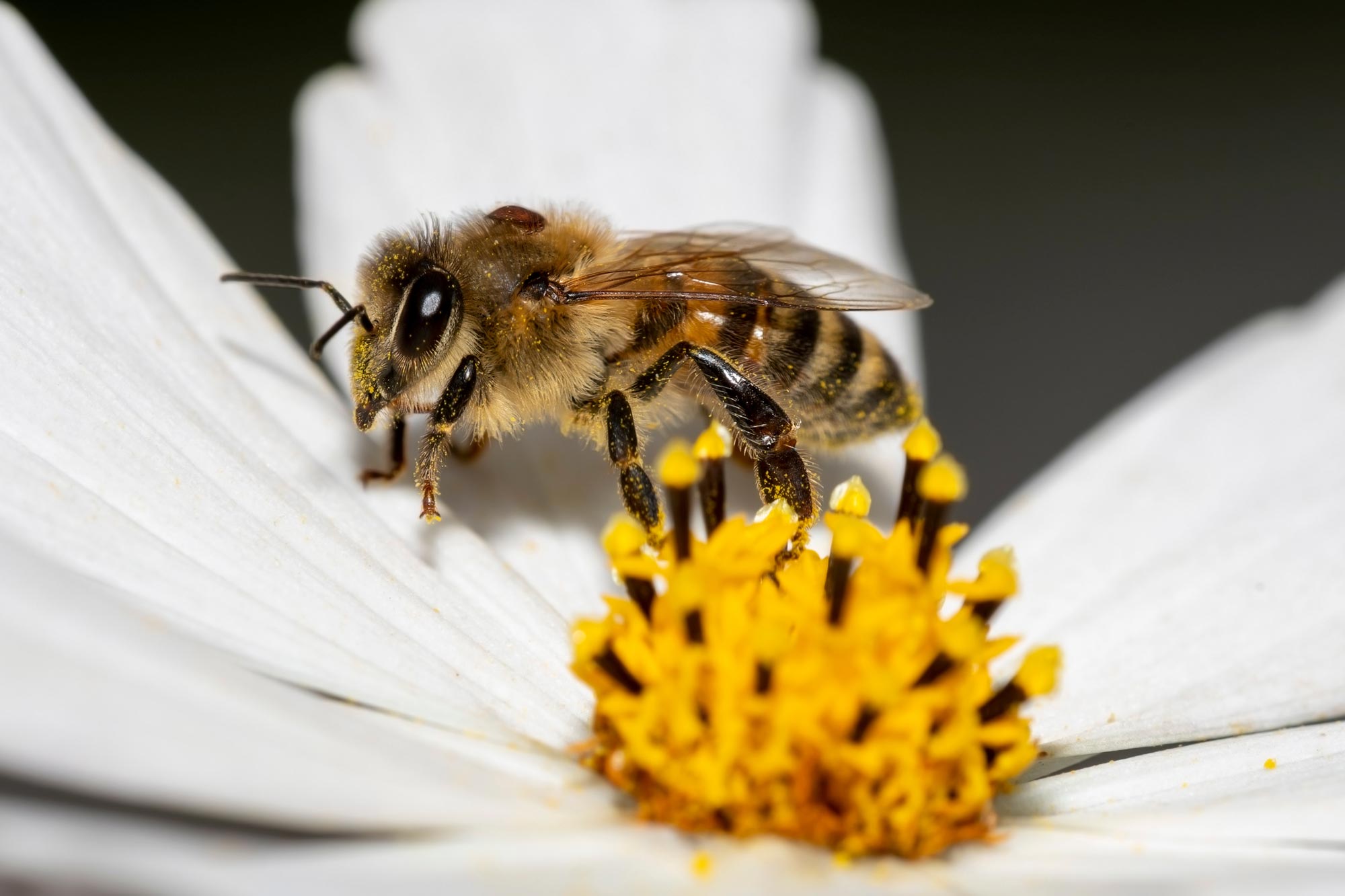
The sun-kissed fields of southern California have long been synonymous with sunshine, avocados, and the majestic honeybees that pollinate the region's vast orchards. However, a groundbreaking discovery has sent shockwaves through the scientific community, revealing a remarkable adaptation in these iconic pollinators. Meet the hybrid honeybees of California, whose natural resilience in the face of a deadly parasite has left researchers stunned and eager to unlock the secrets behind this sweet surprise.
A Silent Killer in the Wings
Varroa mites have been a persistent threat to honeybee colonies worldwide, draining the life force from these vital pollinators. These microscopic parasites feast on the blood of bees, weakening their immune systems and leaving them vulnerable to disease. In the United States alone, the varroa mite infestation is estimated to have cost beekeepers over $3 billion in losses since 2010. The stakes are high, and the clock is ticking – for bees, farmers, and the entire ecosystem reliant on these tiny titans.
'The fact that these bees have developed a resistance to varroa mites without any external intervention is nothing short of remarkable. It's a testament to the incredible adaptability of these creatures and a beacon of hope for the future of pollination.'— Dr. Maria Rodriguez, lead researcher on the California bee project
The California Connection
Deep in the heart of southern California, a team of scientists led by Dr. Maria Rodriguez has been studying a unique population of honeybees. These bees, found in the region's vast orchards, have demonstrated an extraordinary ability to fend off the varroa mite infestation. Initial observations suggested that these bees were merely lucky, but as the researchers dug deeper, they uncovered a more complex and fascinating tale.
Genetic analysis revealed that these California bees were, in fact, hybrids – the result of natural cross-pollination between European and African honeybee populations. This unexpected convergence of genetic material had given rise to a bee that was not only resilient but also uniquely equipped to repel the varroa mite.
What's Next
As word of the California bees spreads, researchers are scrambling to understand the full extent of their remarkable abilities. Dr. Rodriguez's team is working tirelessly to isolate the genetic markers responsible for the bees' resistance and develop new strategies for breeding these traits into other bee populations. The implications are far-reaching, with potential applications in agriculture, conservation, and even human medicine.
While the road ahead is long and fraught with challenges, the discovery of these hybrid bees has injected a much-needed dose of hope into the world of pollination. As we look to the future, one thing is clear: the resilience of these tiny creatures will be a beacon of inspiration for generations to come, illuminating a path towards a brighter, more sustainable world for all.