
Courtroom Checks and Balances: SC Ruling Limits HC Registrar General's Power
The recent Supreme Court ruling has sent shockwaves through the legal fraternity, highlighting the intricate web of power dynamics within India's judicial...
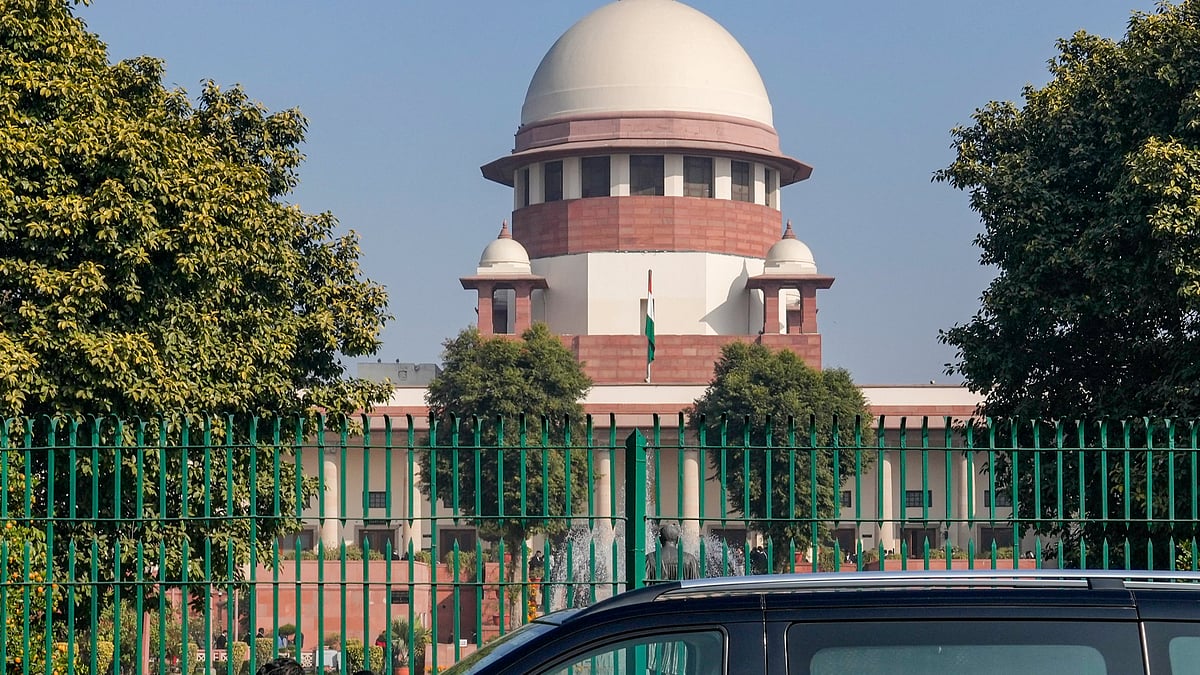
The recent Supreme Court ruling has sent shockwaves through the legal fraternity, highlighting the intricate web of power dynamics within India's judicial system. In a landmark decision, the apex court has ruled that the High Court Registrar General lacks the authority to suo motu initiate action against judicial officers, sparking a heated debate about the checks and balances within the system.
The Power Play
At the heart of the matter lies the relationship between the High Court Registrar General and the judicial officers. While the Registrar General is responsible for overseeing the administration of the High Court, the judicial officers are the ones who carry out the actual judicial functions. However, with the Registrar General's power to suo motu initiate action against judicial officers, there were concerns that this could lead to arbitrary and unfair treatment of judges.
The Supreme Court, in its ruling, has effectively reined in the Registrar General's power, stating that this authority can only be exercised in cases where there is a specific complaint or allegation against the judicial officer. This, in essence, limits the Registrar General's ability to launch investigations or initiate action against judges without a valid basis.
“The Registrar General's power must be exercised in a judicious manner, taking into account the seriousness of the allegations and the need to protect the reputation of the judiciary.
The Implications
The implications of this ruling are far-reaching, and it has significant implications for the functioning of the judiciary. With the Registrar General's power curtailed, the focus shifts to the need for a more transparent and accountable system. This, in turn, could lead to greater trust and confidence in the judiciary, which is essential for the rule of law to function effectively.
However, some argue that this ruling could also have unintended consequences, such as creating a culture of impunity among judicial officers. If the Registrar General lacks the power to initiate action, it may become more challenging to hold judges accountable for their actions.
What's Next
The Supreme Court's ruling has opened up a Pandora's box of questions about the checks and balances within the judicial system. As the dust settles, it's clear that this is a complex issue that requires careful consideration. The question now is, how will the judiciary adapt to this new reality, and what steps will be taken to ensure that justice is served without compromising the independence of the judiciary?
One thing is certain – the Supreme Court's ruling has marked a significant turning point in the power dynamics within the Indian judiciary. As the system navigates this new landscape, one can only hope that the ultimate goal of justice will be served, without compromising the integrity of the very institution that is meant to uphold it.


