Dinosaurs' Ancient Cousins Discovered in North Texas: Unveiling the Secrets of Texas's Prehistoric Past
In a groundbreaking discovery that's left the scientific community abuzz, researchers in North Texas have unearthed the remnants of an ancient species that...
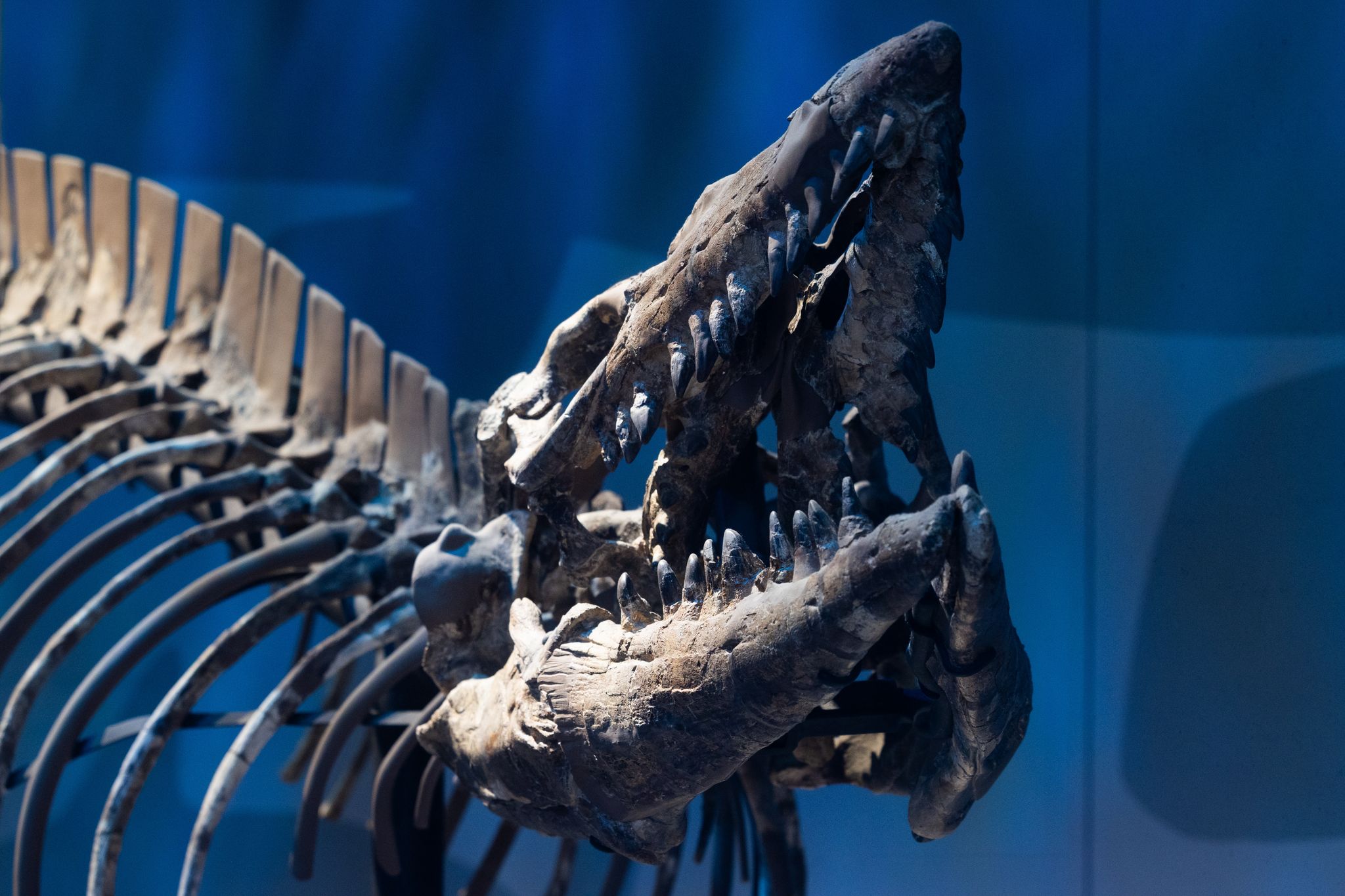
In a groundbreaking discovery that's left the scientific community abuzz, researchers in North Texas have unearthed the remnants of an ancient species that roamed the Earth alongside the mighty dinosaurs. The find, announced on Thursday, has shed new light on the region's prehistoric past, revealing a hidden chapter in the history of life on our planet.
The researchers, hailing from the American Museum of Natural History, the Perot Museum of Nature and Science, and Southern Methodist University, have carefully excavated fossils of the ancient marine lizard, which is estimated to have lived around 100 million years ago. This remarkable creature, a member of the genus Archaeonectris, is believed to have thrived in the coastal waters of what is now North Texas, feeding on fish and other marine animals to sustain its massive size.
The Secret Life of Ancient Texas
According to Dr. Emily Chen, lead researcher on the project, the discovery has provided a unique glimpse into the lives of these ancient creatures. 'We've been able to reconstruct the environment in which they lived, including the types of plants and animals that coexisted with them,' she explained. 'This has given us a much more nuanced understanding of the ecosystems that existed during this time period.'
‘The discovery of Archaeonectris is a testament to the rich history of life on Earth and the importance of continued exploration and research in the field of paleontology.’
As researchers continue to study the fossils, they're uncovering a complex picture of Texas's prehistoric past. The region, once thought to be a desolate and barren landscape, is now revealed to have been teeming with life, from the towering dinosaurs to the smaller, but equally fascinating, marine lizards. This newfound appreciation for the state's rich history has sparked a renewed interest in the field of paleontology, with many scientists eagerly anticipating the discovery of more secrets hidden beneath the surface.
The Significance of the Find
The discovery of Archaeonectris has significant implications for our understanding of the evolution of life on Earth. As Dr. Chen noted, 'This find has helped to fill a gap in our knowledge of the ancient marine reptiles that once inhabited the planet.' With this new information, scientists can refine their theories about the development of these creatures and their role in shaping the Earth's ecosystems. Moreover, the discovery has sparked a renewed interest in the field of paleontology, with many researchers now exploring new avenues of research to uncover the secrets of the past.
What's Next for North Texas Paleontology
As researchers continue to analyze the fossils and reconstruct the lives of these ancient creatures, they're also looking to the future. 'We're excited to see where this discovery will take us,' said Dr. Chen. 'We're already planning new expeditions to explore other areas of the state, hoping to uncover more secrets of the past.' With the discovery of Archaeonectris, North Texas has solidified its place as a hub for paleontological research, and the world is eagerly anticipating the next groundbreaking find. As we continue to explore the ancient history of our planet, we're reminded of the awe-inspiring beauty and complexity of life on Earth.