
Ecuador's President Noboa Pledges to Keep the Heat on Crime, but Can His Government Deliver?
The streets of Quito, Ecuador's capital, were abuzz with anticipation as President Daniel Noboa took to the podium to deliver his highly anticipated State of...
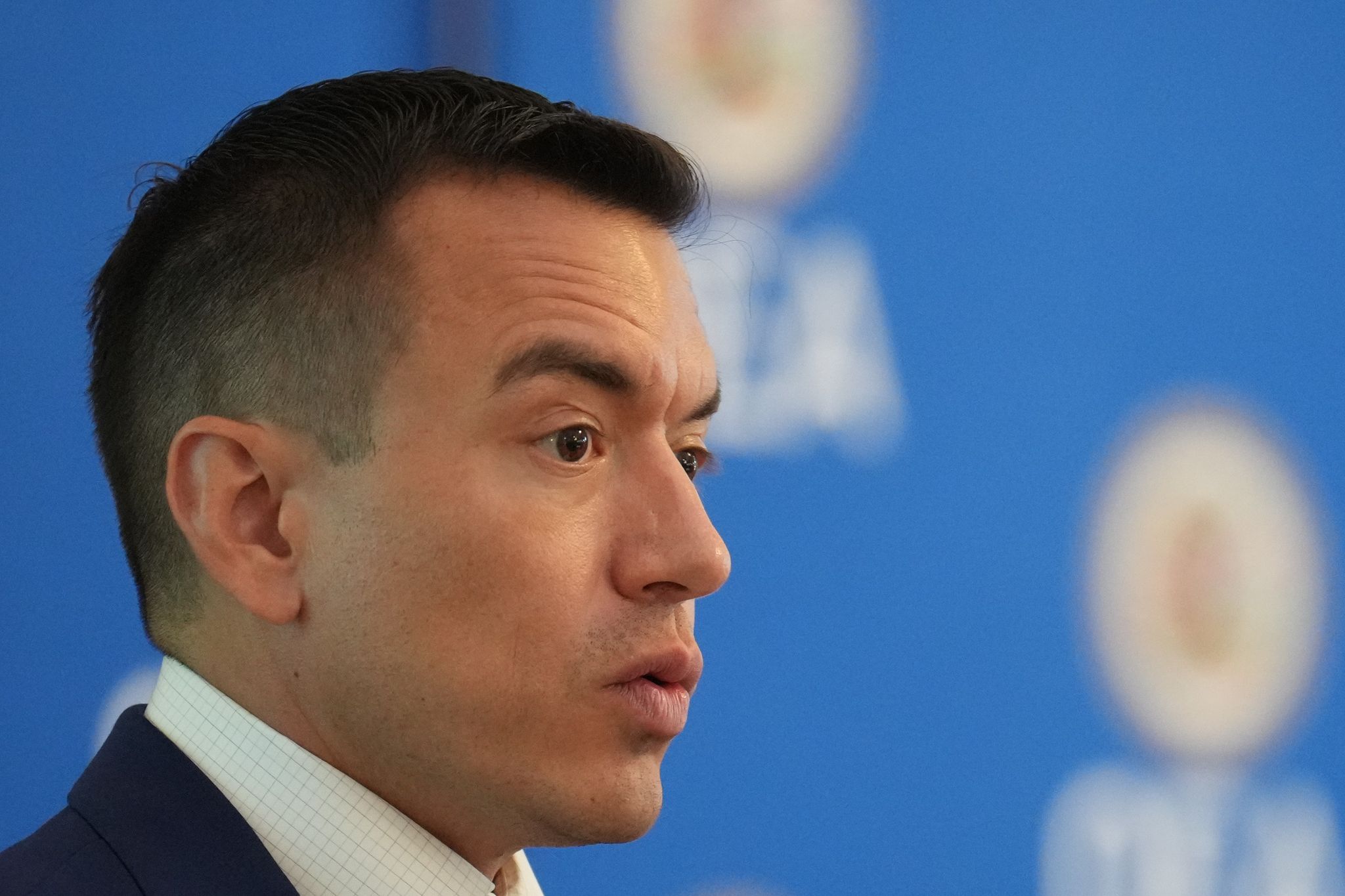
The streets of Quito, Ecuador's capital, were abuzz with anticipation as President Daniel Noboa took to the podium to deliver his highly anticipated State of the Union address. In a speech that was equal parts promise and boast, Noboa vowed to continue his government's relentless pursuit of justice, backed by a significant injection of US funding and expertise.
A New Era in Crime-Fighting?
Noboa's administration has made no secret of its commitment to ridding Ecuador of the scourge of crime, and his government's efforts have been bolstered by a $10 million grant from the US government to support its crime-fighting strategies. The funds will be used to equip and train Ecuador's law enforcement agencies to tackle the country's notorious gangs and cartels, who have long plagued the nation's cities.
But it's not just about the money – the US government has also pledged to provide Ecuador's police and military with much-needed training and advice, drawing on the expertise of US agencies such as the FBI and the Department of Homeland Security.
"We're not just fighting crime, we're fighting for the future of our country," Noboa declared, his voice ringing out across the National Assembly. "We will not rest until our streets are safe for all Ecuadorians."
Economic Gains, but at What Cost?
While Noboa's speech was largely focused on the government's crime-fighting efforts, he also took the opportunity to highlight some significant economic gains made by his administration. GDP growth has increased by 4.2% over the past year, and inflation has been brought under control.
However, critics have argued that these gains have come at a significant cost – the government's efforts to reduce crime have led to increased repression of opposition voices and a growing sense of unease among Ecuador's already beleaguered civil society.
What's Next?
As Noboa's government looks to the future, it's clear that the road ahead will be fraught with challenges. The US government's backing of Ecuador's crime-fighting efforts has raised eyebrows among some human rights groups, who have expressed concerns that the increased military presence in the country could lead to further human rights abuses.
But for Noboa and his administration, the stakes are high – can they deliver on their promise to make Ecuador's streets safe, or will their efforts be seen as nothing more than a fleeting attempt to address the country's deep-seated problems?
Only time will tell, but one thing is certain – Ecuador's citizens are watching with bated breath as their government takes on the tough task of tackling the country's crime epidemic.


