
Election Integrity at Stake: Nigeria's Judiciary Weighs In
Nigeria's pursuit of free and fair elections hangs precariously in the balance, with the judiciary emerging as a critical flashpoint. The country's electoral...
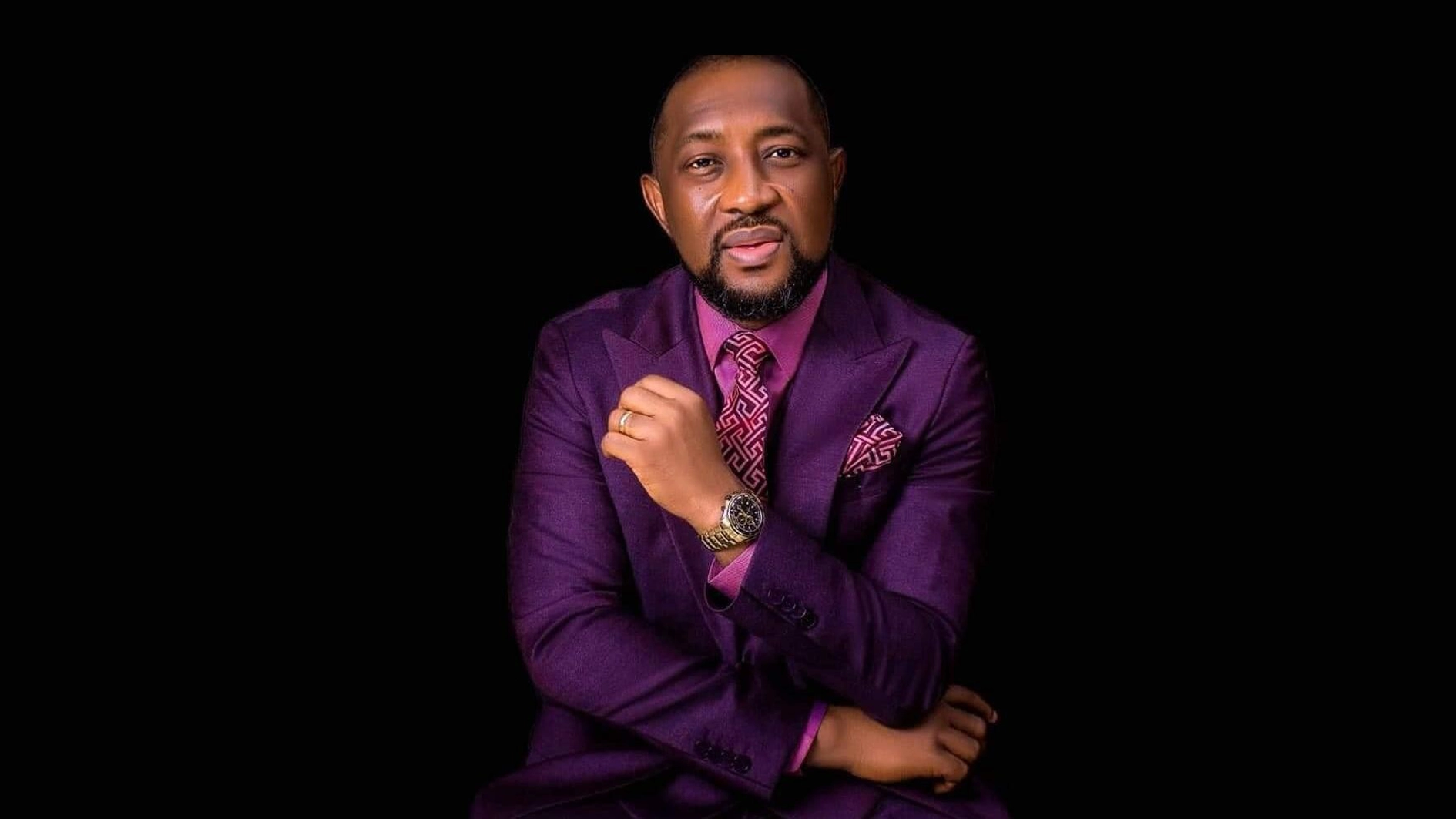
Nigeria's pursuit of free and fair elections hangs precariously in the balance, with the judiciary emerging as a critical flashpoint. The country's electoral landscape has long been marred by controversy, and now, experts warn that the judicial system may be the greatest challenge to ensuring the credibility of future polls. At the heart of the debate is the role of the judiciary in interpreting electoral laws and safeguarding the rights of citizens.
Intertwined Fates: Elections and the Judiciary
Nigeria's electoral history is replete with instances of disputed results, allegations of vote rigging, and partisan manipulation. The judiciary, tasked with resolving these disputes, has often found itself at odds with the executive and legislative branches. The consequences have been far-reaching, with some arguing that the judiciary's independence has been compromised, while others claim that its impartiality has been undermined.
“The judiciary is the last hope of the common man. If we allow the judiciary to be compromised, it will be a disaster for our democracy,” - A prominent Nigerian lawyer
The Thin Line Between Justice and Politics
The intersection of politics and the judiciary is a delicate one, with implications that extend far beyond the electoral process. In Nigeria, the courts have consistently played a crucial role in shaping the country's democratic trajectory. However, the increasing politicization of the judiciary has led to concerns about the erosion of its independence and the potential for partisan influence. This has sparked heated debates about the role of the judiciary in upholding the rule of law and protecting the rights of citizens.
One notable example is the 2019 presidential election dispute between Muhammadu Buhari and Atiku Abubakar. The case, which eventually made its way to the Supreme Court, was marked by intense partisanship and allegations of judicial bias. While the court ultimately ruled in favor of Buhari, the controversy surrounding the decision highlighted the judiciary's vulnerability to political pressure.
What's Next for Nigeria's Judiciary
As Nigeria prepares for its 2023 general elections, the stakes are higher than ever. The country's electoral authorities, the Independent National Electoral Commission (INEC), must navigate a complex web of challenges, including partisan interference, voter suppression, and infrastructure constraints. The judiciary, meanwhile, must demonstrate its commitment to independence and impartiality, upholding the rule of law and protecting the rights of citizens.
In the end, Nigeria's electoral future hangs in the balance. The judiciary's role in ensuring the credibility of future polls will be crucial. Will the courts rise to the challenge, or will partisan pressures undermine their independence? Only time will tell, but one thing is certain: the fate of Nigeria's democracy hangs precariously in the balance.


