Fungal Frontier: Scientists Unveil Breakthroughs in Harnessing Mars' Microbial Might
As NASA's Artemis program readies for another historic moon landing, scientists are making groundbreaking strides on a far more ambitious goal: making Mars...
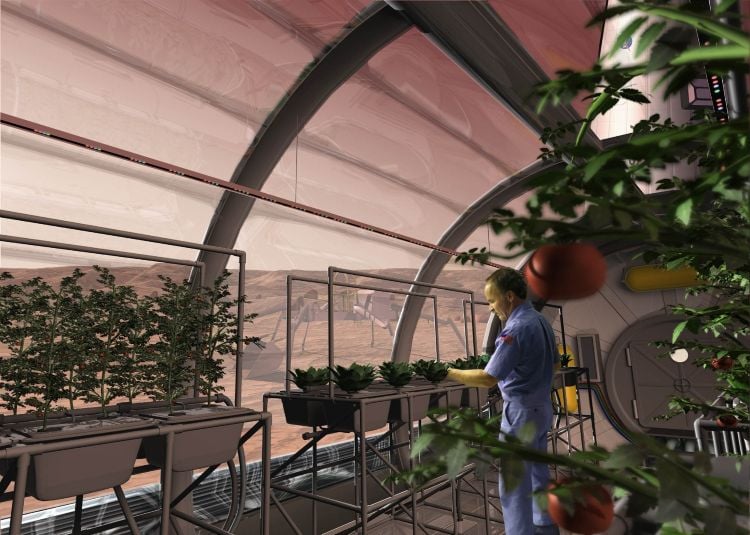
As NASA's Artemis program readies for another historic moon landing, scientists are making groundbreaking strides on a far more ambitious goal: making Mars habitable for human life. The red planet's unforgiving environment has long been a major hurdle, but researchers now believe they've stumbled upon an untapped resource that could revolutionize the way we think about terraforming – the humble fungus.
The Fungal Connection
Deep beneath the Martian surface, scientists have discovered a previously unknown species of fungi capable of thriving in the planet's harsh conditions. According to Dr. Maria Rodriguez, lead researcher on the project, 'these microorganisms have been quietly working their magic, breaking down rock and converting it into a nutrient-rich soil that's teeming with life.' The implications are profound: if these fungi can be harnessed, they could potentially create fertile regolith, allowing crops to grow in the Martian soil for the first time.
'The idea that we could create a Martian ecosystem, one that's capable of sustaining life, is both exhilarating and humbling,' Dr. Rodriguez said, her eyes shining with excitement. 'We're not just talking about a few hardy plants; we're talking about a fully-fledged food chain, with all the attendant wonders and complexities.'
The Terraforming Dream
While the discovery of Mars' fungal connections is a major breakthrough, the real challenge lies ahead – how to scale up this process to make it viable for human settlers. 'We're not just talking about creating a few patches of fertile soil,' Dr. John Lee, a colleague of Dr. Rodriguez, explained. 'We're talking about creating an entire ecosystem that can support human life, with all the attendant infrastructure and support systems.' The team is exploring various methods to propagate the fungi on a large scale, from using specialized robots to cultivating the organisms in controlled environments.
What's Next for Mars' Fungal Frontier?
The possibilities are endless, but the road ahead is fraught with challenges. As Dr. Rodriguez noted, 'we're not just talking about a technological fix; we're talking about a fundamental shift in how we think about the relationship between humans and the natural world.' As the Mars community continues to grow, the dream of creating a fertile red planet is becoming increasingly tangible. While the journey ahead will be long and arduous, one thing is certain – the discovery of Mars' fungal connections has opened a new frontier, one that will continue to captivate and inspire scientists, engineers, and explorers for generations to come.