
Grappling with Power: The Tenuous Balance of Influence in Modern Cities
The streets of London are a microcosm of the world's complex power dynamics, where the privileged elite and the marginalized masses coexist in a delicate...
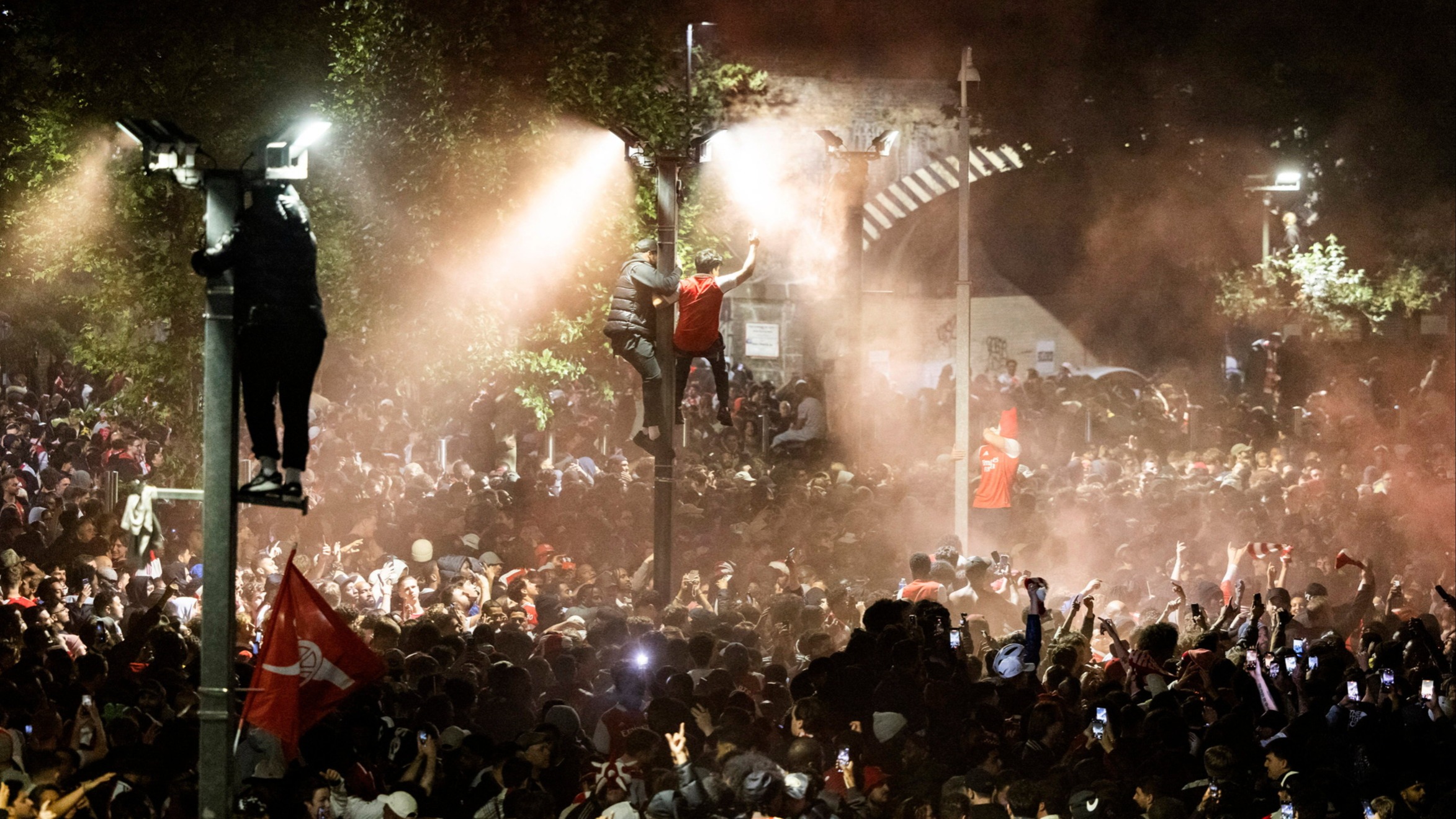
The streets of London are a microcosm of the world's complex power dynamics, where the privileged elite and the marginalized masses coexist in a delicate dance. At the heart of this intricate ballet is Arsenal Football Club, an institution that has come to embody the very essence of the city's dual identity. From its humble beginnings as a working-class team to its current status as a global sports powerhouse, Arsenal's journey serves as a fascinating case study of the shifting balance of influence in modern cities.
A Legacy of Grassroots Roots
Founded in 1886 by a group of passionate fans, Arsenal quickly rose through the ranks of English football, earning a reputation for its exciting brand of play and commitment to community engagement. The team's early success was largely fueled by the dedication of its working-class supporters, who saw in the club a reflection of their own struggles and aspirations. As Arsenal's popularity grew, so did its influence, with the team becoming a unifying force for the city's diverse communities.
However, Arsenal's ascendancy also brought with it a new set of challenges. As the club's wealth and status increased, so did its disconnect from its grassroots roots. The team's move to a new, state-of-the-art stadium in 2006 marked a turning point in this process, as Arsenal's owners and executives began to prioritize the interests of corporate sponsors and high-net-worth individuals over those of the club's loyal fan base.
"The problem with modern football is that it's become a business, not a community," says local historian and Arsenal enthusiast, John Taylor. "The club's priorities have shifted from serving the people to serving the shareholders. It's a tragedy, really, because it's lost the very essence of what made Arsenal great in the first place."
The Elites Take Center Stage
As the years went by, Arsenal's transformation into a global sports brand continued apace. The team's owners, the Kroenke family, invested heavily in the club, pouring millions of dollars into new facilities and top-tier talent. The result was a string of successful seasons, culminating in the club's first Premier League title in over a decade in 2020. However, this triumph was bittersweet, as many of Arsenal's long-time supporters felt increasingly alienated by the club's new, more exclusive atmosphere.
The tension between the haves and the have-nots in modern cities like London is a recurring theme in contemporary society. As the wealth gap widens and inequality deepens, the once-unifying force of Arsenal has become a source of division and conflict. The club's owners and executives claim to be committed to the community, but many of their actions suggest otherwise.
What's Next
As we look to the future, it's clear that the balance of influence in modern cities like London will continue to shift and evolve. The question is, what kind of role will institutions like Arsenal play in this process? Will they remain a symbol of the city's dual identity, or will they become a reflection of its increasingly divided society? One thing is certain: the fate of Arsenal, and the cities it represents, will be shaped by the choices we make today.


