
Indian Economy Faces Headwinds as State-Run Banks Take a Hit
In a worrying sign for India's economic stability, shares of state-run banks have taken a sharp nosedive as bond yields continue to climb, signaling a...
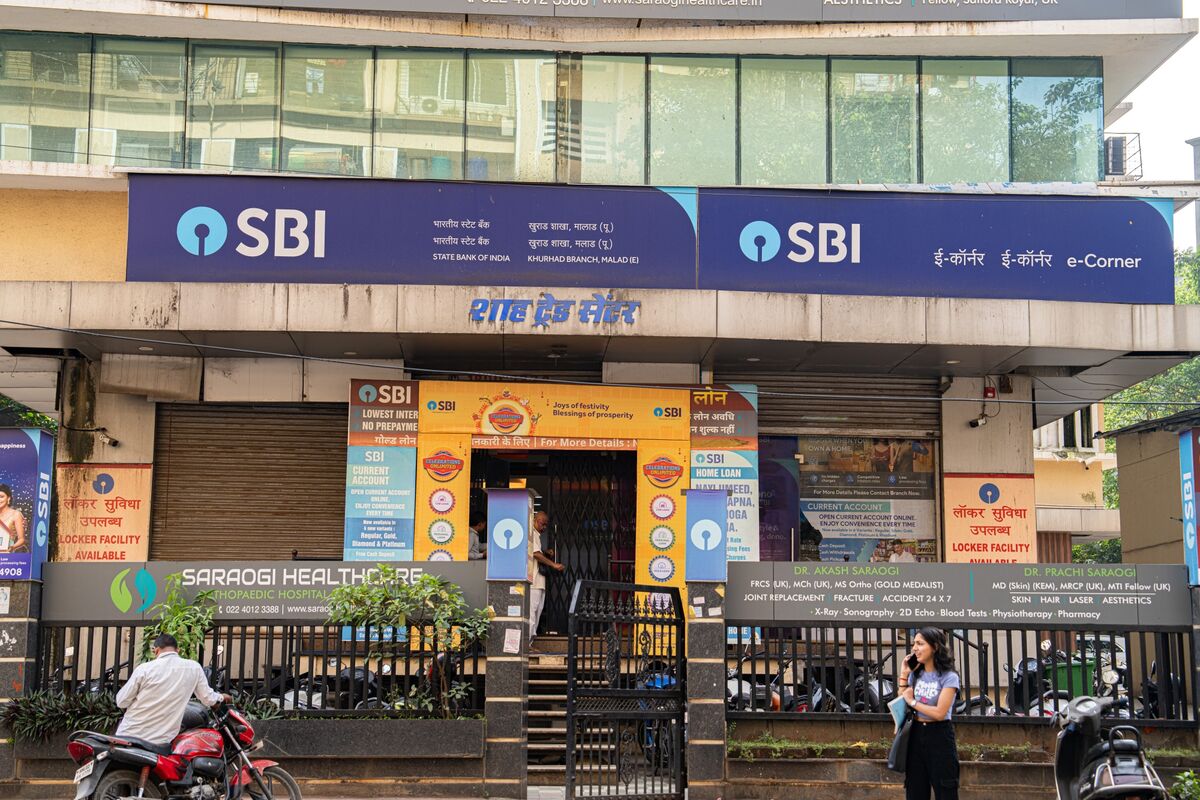
In a worrying sign for India's economic stability, shares of state-run banks have taken a sharp nosedive as bond yields continue to climb, signaling a potential slowdown in the country's growth trajectory. As India grapples with the aftermath of consecutive gasoline and petrol price hikes, the latest market trends have sent shockwaves through the financial sector.
Market Turmoil: A Perfect Storm?
The recent price hikes, the fourth in less than a month, have put a strain on the already vulnerable Indian consumer, with economists predicting a ripple effect on the broader economy. As the cost of living continues to rise, the purchasing power of the average Indian is taking a hit, leading to a decrease in consumer spending and a subsequent decline in economic activity.
The impact on state-run banks is particularly concerning, as they are heavily reliant on consumer lending and deposits. A slowdown in economic growth would severely limit their ability to recover the massive losses they incurred during the COVID-19 pandemic.
“The Indian economy is facing a perfect storm of high inflation, low consumer spending, and a decline in economic growth. The state-run banks are at the epicenter of this storm, and it's only a matter of time before they start to feel the full force of the economic headwinds.” - Dr. Rohan Desai, Economist at the Mumbai-based think tank, India Policy Forum.
A Bond Market in Turmoil
The bond market, a key indicator of economic health, has been sending out distress signals, with yields on government securities climbing to a 10-year high. This surge in yields has made borrowing more expensive for the government, which could lead to a further increase in interest rates and a subsequent slowdown in economic growth.
The bond market is also reflecting the concerns of investors, who are becoming increasingly risk-averse as the economic outlook becomes increasingly uncertain. With the Reserve Bank of India (RBI) struggling to contain inflation and the government's efforts to boost economic growth falling short, the bond market is sending out a clear signal: the Indian economy is in trouble.
What's Next?
As the Indian economy navigates these treacherous waters, the government and the RBI will need to take swift and decisive action to stabilize the financial sector and boost economic growth. A combination of monetary and fiscal policies, including interest rate cuts and targeted spending initiatives, could help to alleviate the economic pain and restore investor confidence.
However, the path ahead is fraught with challenges, and the road to recovery will be long and arduous. As the Indian economy faces headwinds from multiple directions, it's time for policymakers to come together to devise a comprehensive plan to address the economic crisis and restore the country's growth trajectory.


