
Kamala Harris' Blueprint for Change: A New Era for the Supreme Court
The US Supreme Court has long been a bastion of American democracy, with its nine justices wielding immense power over the nation's highest laws. But as the...
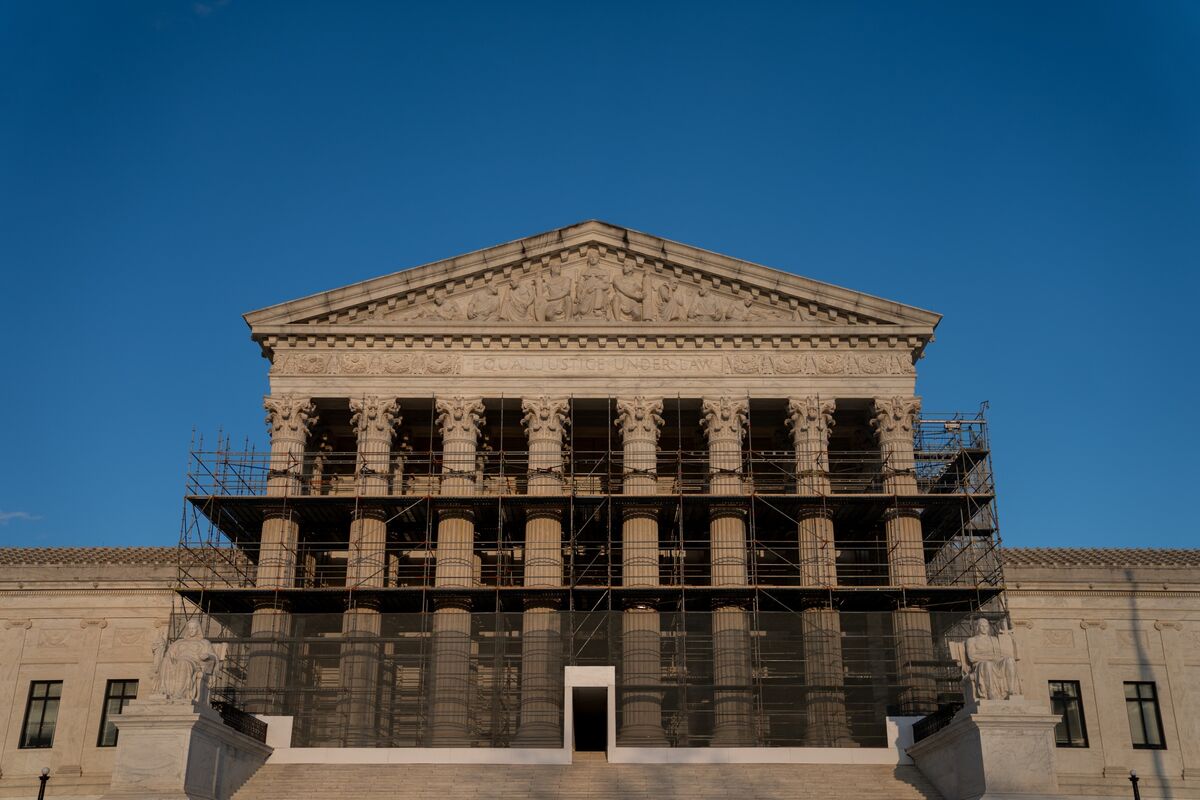
The US Supreme Court has long been a bastion of American democracy, with its nine justices wielding immense power over the nation's highest laws. But as the country grapples with an increasingly polarized politics and a shifting landscape of social issues, a growing chorus of voices is calling for reform. And at the forefront of this movement is none other than former Vice President Kamala Harris.
A Call to Action
In a recent video, Harris argued that Democrats need an 'expanded playbook' to explore structural reforms to the institutions of American government, including the Supreme Court. Her comments sent shockwaves through the nation's capital, with many seeing them as a bold challenge to the status quo. But what exactly does Harris mean by an 'expanded playbook,' and how might it reshape the way the Supreme Court operates?
"We need to think about how we can reform our institutions to make them more responsive to the needs of the people," Harris said in her video. "That means looking at everything from the Supreme Court to Congress to the electoral process itself."
A Long History of Reform Efforts
Of course, Harris is not the first to call for reform to the Supreme Court. In fact, there have been numerous attempts to alter the institution over the years, from proposals to expand the number of justices to plans to impeach sitting justices. However, despite these efforts, the Court has remained largely unchanged.
One of the main reasons for this is the sheer difficulty of reforming the Supreme Court. Under Article III of the US Constitution, justices serve life terms, making them largely immune to the whims of public opinion. Additionally, the Court's independence is enshrined in the Constitution, making it difficult to impose reforms from the outside.
A New Era of Reform?
Despite these challenges, Harris' comments have sparked a renewed debate about the need for Supreme Court reform. With Democrats now in control of the White House and Congress, the prospects for meaningful change may be greater than ever.
So what might an 'expanded playbook' for Supreme Court reform look like in practice? One possibility is a constitutional amendment to expand the number of justices, a move that would give Democrats a chance to reshape the Court's ideological makeup. Another option could be a package of reforms aimed at increasing transparency and accountability within the Court, such as requiring justices to disclose their financial interests or establishing a system for recusing justices from cases involving their personal or professional connections.
What's Next
As the debate over Supreme Court reform continues to simmer, one thing is clear: the future of the institution hangs in the balance. Will Harris' call to action spark a new wave of reform efforts, or will the status quo prevail? Only time will tell. But one thing is certain: the American people are demanding change, and it's up to their elected leaders to deliver.


