
Loyalty Over Principle: How Louisiana's Election Reform Sidelined Democracy
In a move that has left many questioning the true meaning of democracy, Louisiana's Governor Jeff Landry and Republican legislators have made a drastic change...
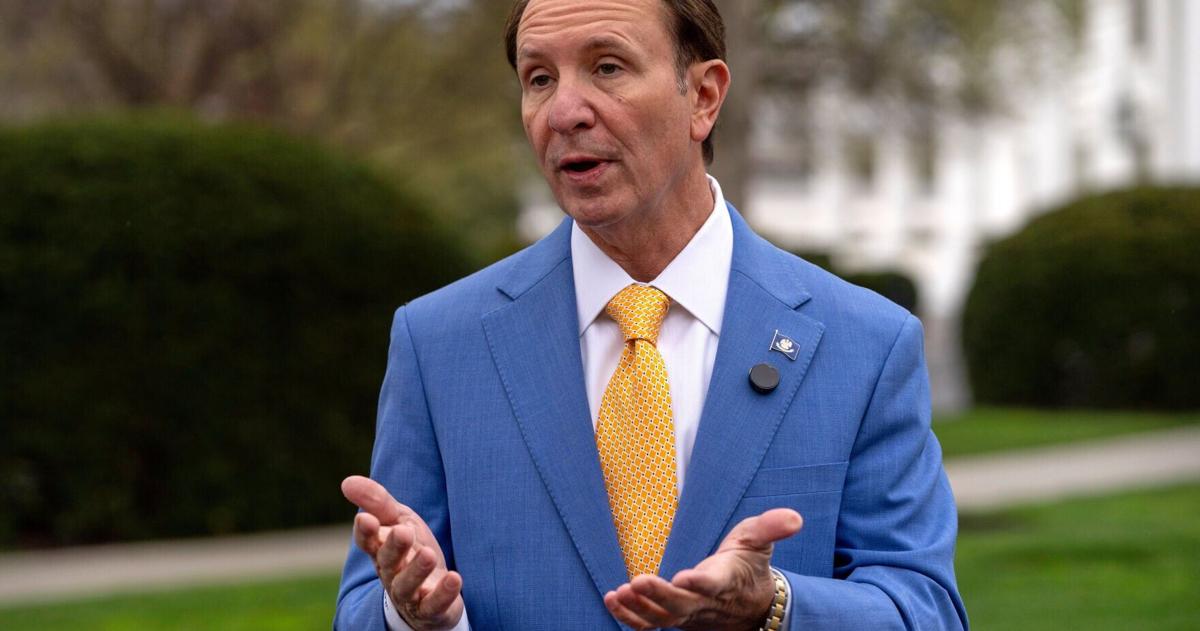
In a move that has left many questioning the true meaning of democracy, Louisiana's Governor Jeff Landry and Republican legislators have made a drastic change to the state's election process. By swapping out the open primary system for a closed partisan primary, they have ensured that loyalty to party leaders takes precedence over principled leadership. This seismic shift has far-reaching implications for the future of politics in the Pelican State.
The Shift to Partisan Politics
Under the new system, voters will only be able to participate in the primary election if they are registered with a particular party. This means that independents, who make up a significant portion of Louisiana's electorate, will be effectively disenfranchised. The change is a clear attempt to consolidate power within the Republican Party and ensure the defeat of Senator Bill Cassidy, who has been a thorn in the side of former President Donald Trump.
"When you start to prioritize party loyalty over policy, you're not really serving the people, you're serving the party."
This is not the first time Louisiana has made a bold move in the world of politics. In 2016, the state became the first in the nation to adopt a nonpartisan election commission, which aimed to reduce the role of politics in the electoral process. However, the new partisan primary system represents a stark reversal of this trend.
A Recipe for Disenfranchisement
The closed primary system has been widely criticized by voting rights advocates, who argue that it will lead to a decrease in voter participation and a lack of representation for marginalized communities. In Louisiana, where the electorate is already disproportionately skewed towards older, whiter voters, this shift could have devastating consequences. Independent voters, who make up over 30% of the state's electorate, will be forced to register with a party in order to participate in the primary. This will effectively disenfranchise many of the state's most engaged and informed citizens.
What's Next
As the country watches the developments in Louisiana, it's clear that this is a trend that will continue to gain momentum. With the rise of partisan politics and the decline of independent voices, the future of democracy looks increasingly uncertain. However, there is hope. In the face of this shift, citizens are beginning to organize and push back against the trend. From grassroots campaigns to lawsuits challenging the new system, the people of Louisiana are fighting to reclaim their right to participate in the democratic process.
In the end, the question remains: what does it mean to be a democracy? Is it a system in which power is concentrated in the hands of a few, or is it a system in which the voices of the many are heard? In Louisiana, the answer to this question is far from clear. But one thing is certain: the people will not go quietly into the night. They will continue to fight for their right to participate, to be heard, and to shape the future of their state.


