
Return from the Caliphate: Australia Prepares for Homecoming of IS-Linked Families
Deep in the heart of Syria, a harrowing chapter of the global fight against extremism is about to come to a close. For 19 Australian women and children who...
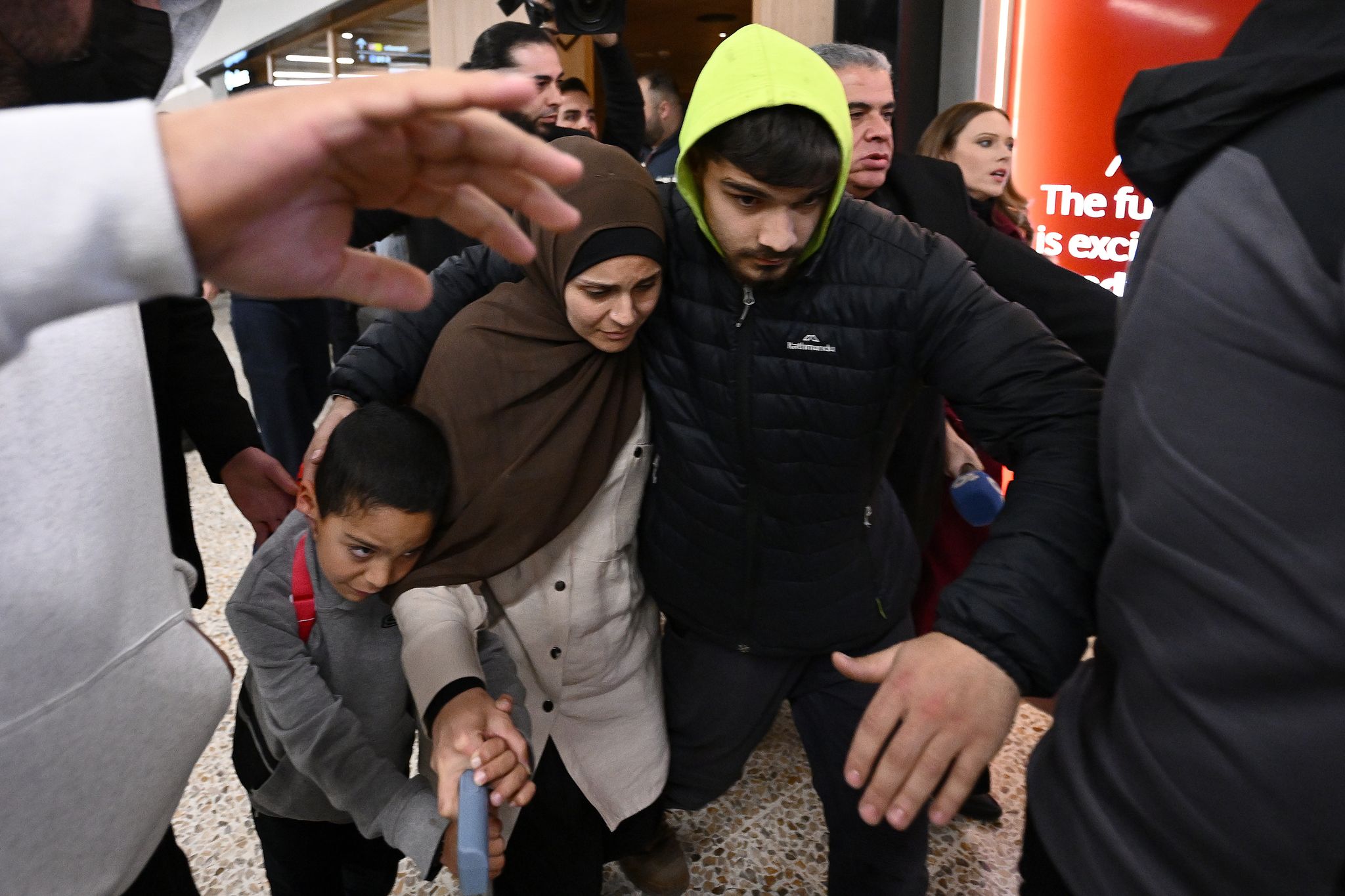
Deep in the heart of Syria, a harrowing chapter of the global fight against extremism is about to come to a close. For 19 Australian women and children who have been living under the shadow of the Islamic State group, a long-awaited journey home is finally within reach. These families, who have been stranded in the war-torn region for years, have booked their tickets and are set to return to Australia, sparking questions about their future and the country's stance on their reintegration.
Escape from the Caliphate
Since the IS's brutal reign over vast swathes of Iraq and Syria came crashing down in 2019, thousands of foreign fighters and their families have been left stateless, struggling to survive in a region ravaged by conflict. For the Australian women and children, life in the caliphate was marked by deprivation, fear, and a relentless pursuit of ideological purity. Many of them had been lured by the IS's twisted ideology, which promised a utopian future for Muslim women and children. However, as the group's grip on power faltered, so did the promises made to its followers.
Reintegration won't be easy, but it's essential that we get it right. These women and children have been through unimaginable trauma, and we must ensure that they receive the support and care they need to rebuild their lives.
According to sources close to the government, the returning families will undergo a rigorous vetting process to assess their involvement with the IS. While some may face charges for their alleged crimes, others may be granted a second chance. The decision will depend on the extent of their involvement and the potential threat they pose to national security.
Reintegration Challenges
For Australia, the homecoming of IS-linked families poses significant challenges. The country's security agencies will need to carefully balance the need to hold perpetrators accountable with the need to provide support to victims of the IS's brutal regime. The reintegration process will require a coordinated effort from government agencies, community organizations, and mental health professionals. As one expert noted, 'The road to recovery will be long and arduous, but it's essential that we focus on healing and rehabilitation rather than punishment alone.'
What's Next
As the returning families prepare to start anew, the Australian public is bracing for a complex and sensitive discussion about their reintegration. The government has promised to provide support services, including mental health counseling, education, and job training. However, the question remains: will it be enough to ensure that these families can rebuild their lives and reintegrate into society? Only time will tell. For now, the focus is on welcoming back these families and providing them with the support they need to heal and move forward.
As the aircraft carrying the Australian women and children touches down on Australian soil, a new chapter in their lives is about to begin. It's a chapter marked by uncertainty, but also by hope and resilience. As the country prepares to receive its returning families, one thing is clear: the journey ahead will be long and difficult, but with the right support and care, it's possible to rebuild and move forward.


