
Silicon Stalemate: Pulaski County's Data Center Dilemma
In a move that's sending shockwaves through the tech industry, Pulaski County has become the latest government body to impose a moratorium on data centers. The...
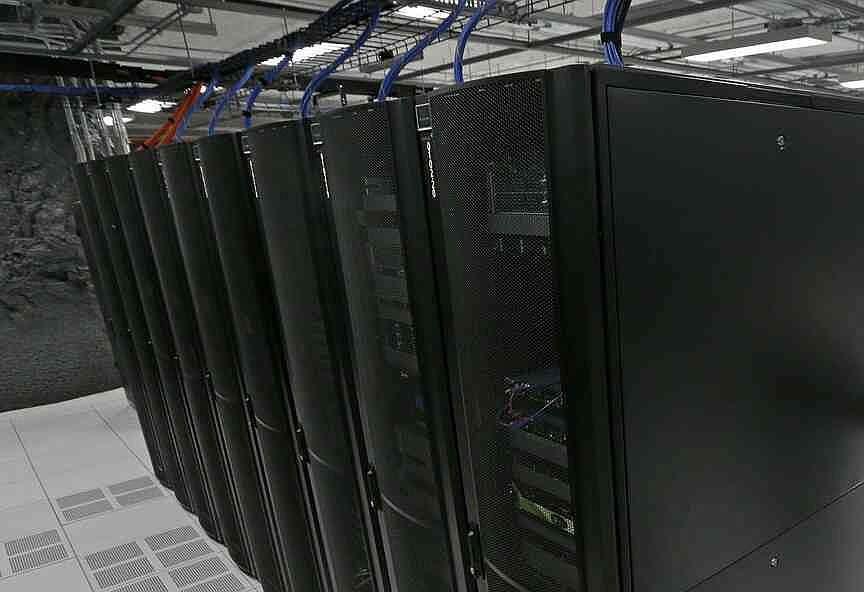
In a move that's sending shockwaves through the tech industry, Pulaski County has become the latest government body to impose a moratorium on data centers. The county's Quorum Court voted to ban new data center permits for the next 12 months, sparking concerns about the impact on the local economy and the environment.
A Growing Concern
Data centers have become a staple of modern technology, housing servers and equipment that power everything from social media to online banking. However, their proliferation has also raised concerns about energy consumption, water usage, and the environmental impact of the massive cooling systems required to keep them running.
Community Backlash
Neighbors of proposed data center sites have long voiced concerns about the potential effects of these massive facilities on their quality of life. From increased traffic and noise pollution to the strain on local resources, the opposition to data centers has grown louder in recent years.
"We're not anti-tech, we're pro-sensible growth," said local resident Sarah Johnson, who has been actively involved in the data center debate. "We want to make sure that any new data centers are designed with the community in mind, not just the bottom line."
The ordinance passed by the Quorum Court is a major victory for those who have been fighting against the rapid expansion of data centers in the area. However, it's also a blow to companies that have already invested millions of dollars in data center projects.
What's Next
The 12-month moratorium will give the county time to reassess its data center regulations and develop new guidelines that balance the needs of the tech industry with those of the community. But as the debate rages on, one thing is clear: the future of data centers in Pulaski County is far from settled.
As the county moves forward with its plans, it will be interesting to see how the tech industry responds to this new development. Will companies find ways to adapt to the new regulations, or will they look to other locations that are more welcoming to data centers? One thing is certain: the future of data centers in Pulaski County will be shaped by a complex interplay of economic, environmental, and social factors.


