
The Roots of Dravidian Politics: Unpacking the Complexities of a 'Two-and-a-Half Party' System
The sun-drenched streets of Chennai, the vibrant city at the heart of the Indian state of Tamil Nadu, hold a secret. Behind the bustling markets, ancient...
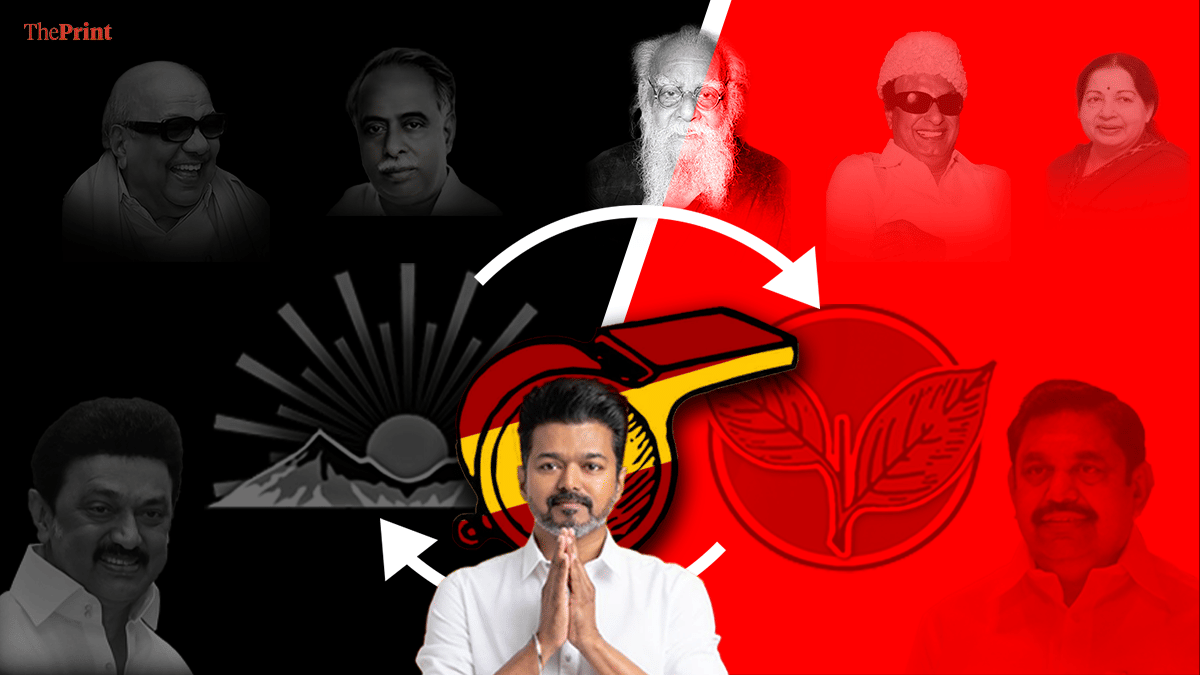
The sun-drenched streets of Chennai, the vibrant city at the heart of the Indian state of Tamil Nadu, hold a secret. Behind the bustling markets, ancient temples, and cosmopolitan cafes lies a complex web of politics that has shaped the region's history for over seven decades. The Dravidian movement, a socio-political phenomenon that emerged in the 1940s, continues to influence the state's politics, with its 'two-and-a-half party' system remaining a dominant force. As the region navigates the changing landscape of Indian politics, one question looms large: what lies ahead for the Dravidian movement in the Vijay era?
A Brief History of the Dravidian Movement
The Dravidian movement, born out of the struggle for Tamil self-respect and social justice, was spearheaded by two charismatic leaders: C.N. Annadurai and M. Karunanidhi. The DMK (Dravida Munnetra Kazhagam), founded by Annadurai in 1949, initially focused on linguistic and cultural rights for Tamils. Over time, the party's agenda expanded to include social justice, economic empowerment, and anti-Hindi sentiment. The DMK's rise to power in 1967 marked a watershed moment in Tamil Nadu's history, paving the way for a unique 'two-and-a-half party' system, where the DMK and its ally, the Congress, dominated state politics.
"The Dravidian movement was not just about politics; it was a cultural and social revolution that sought to redefine the identity of Tamils," says Dr. K. Veeramani, former president of the DMK.
The Rise of the AIADMK and the Era of M. Karunanidhi
In 1972, M. Karunanidhi, a key figure in the DMK, broke away to form the AIADMK (All India Anna Dravida Munnetra Kazhagam). The AIADMK, with Karunanidhi at its helm, offered a contrasting vision to the DMK, focusing on economic development, social welfare, and a more inclusive approach to governance. The two parties, often locked in a bitter struggle, have dominated Tamil Nadu's politics for over five decades. The AIADMK's rise to power in 1991 marked a new era, with J. Jayalalithaa, a charismatic leader and Karunanidhi's protégée, becoming the state's first female Chief Minister.
The DMK's resurgence in 2006, under the leadership of M. Karunanidhi's son, M.K. Stalin, saw the party return to power, marking a new chapter in the 'two-and-a-half party' system. The AIADMK, now led by Jayalalithaa's protégée, O. Panneerselvam, has continued to pose a strong challenge to the DMK's dominance.
What's Next
As Tamil Nadu navigates the complex landscape of Indian politics, the Dravidian movement faces new challenges and opportunities. The rise of regional parties, the growing influence of social media, and the emergence of new leaders are all shaping the state's politics. In the Vijay era, the DMK and AIADMK must adapt to these changes, finding innovative ways to connect with voters, address pressing issues, and redefine their roles in the state's governance. As the Dravidian movement looks to the future, one thing is clear: the 'two-and-a-half party' system remains a dominant force, but its contours are set to change in the years to come.
In the end, the Dravidian movement's legacy will be defined not just by its victories, but by its ability to evolve, adapt, and remain relevant to the needs of the people it serves. As Tamil Nadu hurtles towards an uncertain future, one thing is certain: the 'two-and-a-half party' system will continue to shape the state's politics, but its evolution will be shaped by the complex interplay of forces that have come to define the region's history.


