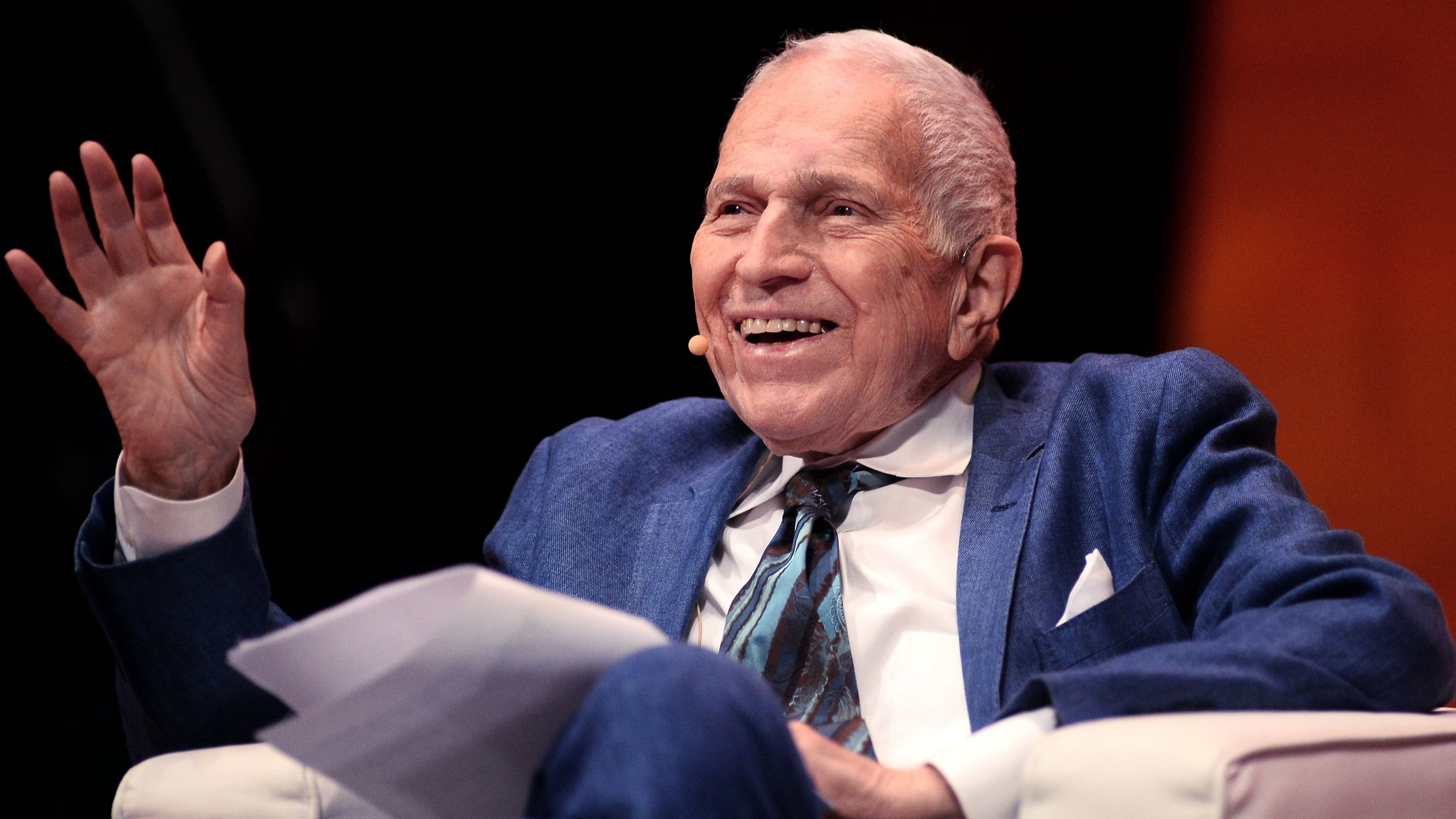
The Unseen Frontier: Unraveling the Mystery of Astronaut Mike Fincke's Space-Induced Illness
Deep in the vast expanse of space, a sudden and inexplicable silence descended upon NASA astronaut Mike Fincke, leaving his crewmates stunned and his medical...

Deep in the vast expanse of space, a sudden and inexplicable silence descended upon NASA astronaut Mike Fincke, leaving his crewmates stunned and his medical team scrambling for answers. It was January 2023, and Fincke, a seasoned veteran of four International Space Station missions, was just 20 minutes away from a routine spacewalk. Yet, as he sat down to dinner, his voice vanished, leaving him unable to speak for a fleeting 20 minutes. This enigmatic episode marked a turning point in the history of space travel, highlighting the profound and often unseen challenges that astronauts face in the unforgiving environment of space.
The Space Station's Hidden Health Risks
Fincke's experience is not an isolated incident. Over the years, astronauts have reported a range of unusual health issues, from vision problems to muscle atrophy, which have puzzled scientists and raised concerns about the long-term effects of space travel on the human body. The International Space Station, with its unique blend of microgravity, isolation, and confinement, has become a laboratory of sorts, where the boundaries of human physiology are being pushed to their limits. As the space program hurtles forward, with plans for manned missions to the moon and Mars on the horizon, understanding the hidden health risks of space travel has become a pressing concern.
Unraveling the Mystery of Fincke's Illness
Fincke's case, in particular, has sparked a renewed interest in the effects of space travel on the brain. His symptoms, which included a sudden loss of speech, have been likened to those experienced by people suffering from a rare condition known as 'locked-in syndrome.' While the exact cause of Fincke's illness remains a mystery, doctors believe that it may be linked to the unique stresses of space travel, including the effects of microgravity on the brain's blood vessels. Researchers at NASA's Johnson Space Center in Houston are working tirelessly to unravel the mystery, using advanced imaging techniques and sophisticated computer models to simulate the effects of space travel on the human brain.
“The human brain is an extraordinary instrument, capable of adapting to an incredible range of environments and conditions. However, as we venture further into space, we're beginning to realize that the brain is not as resilient as we thought,” said Dr. Lisa Kaltenegger, a leading expert in astrobiology and the director of the Max Planck Institute for Astronomy. “Fincke's case serves as a poignant reminder of the need for further research into the effects of space travel on the brain and the importance of developing effective countermeasures to mitigate these risks.”
What's Next for Space Exploration
As the search for answers continues, NASA is pushing forward with plans for its Artemis program, which aims to return humans to the moon by 2025. The journey to Mars, with its unforgiving environment and prolonged exposure to space radiation, poses even greater challenges. To overcome these obstacles, the space agency is investing heavily in research into the effects of space travel on the human body, including the development of new technologies and strategies to mitigate the risks. While the road ahead is uncertain, one thing is clear: the future of space exploration depends on our ability to understand and adapt to the hidden health risks of space travel.
As scientists and engineers work tirelessly to unravel the mystery of Fincke's illness, they are also laying the groundwork for a new era of space exploration, one that prioritizes the health and well-being of astronauts above all else. The stakes are high, but the rewards are immeasurable – a future where humans can venture further into the unknown, unencumbered by the hidden dangers of space travel.