Unlocking the Secrets of Neptune's Cosmic Dance: James Webb Space Telescope Reveals Breathtaking Auroras
The farthest reaches of our solar system have long been a source of fascination, with Neptune's mystique particularly piquing the interest of astronomers. For...
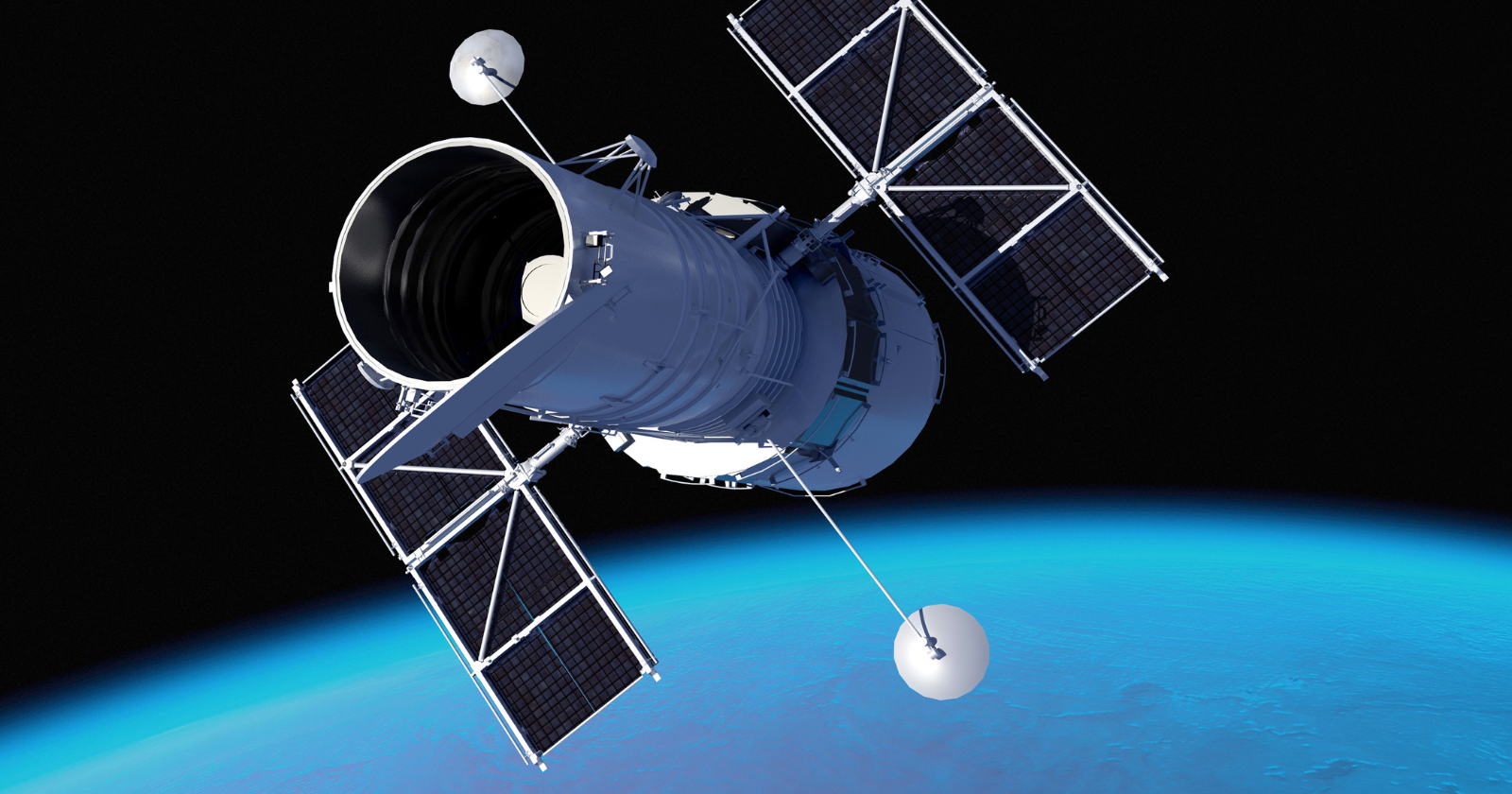
The farthest reaches of our solar system have long been a source of fascination, with Neptune's mystique particularly piquing the interest of astronomers. For decades, scientists have been attempting to unravel the enigmatic nature of the icy giant's auroras, which were initially detected by Voyager 2's flyby in 1989. The discovery of faint, glowing curtains in the planet's upper atmosphere left researchers scratching their heads, as the tilt of Neptune's magnetic field at a staggering 47 degrees off the rotation axis seemed to defy explanation. Fast-forward to the present, and the James Webb Space Telescope has finally provided the long-awaited answers, capturing direct evidence of these cosmic light shows in unprecedented detail.
A New Era in Planetary Exploration
Launched in December 2021, the James Webb Space Telescope has been revolutionizing our understanding of the universe, one breathtaking observation at a time. With its cutting-edge Near-Infrared Spectrograph (NIRSpec) instrument, the telescope has been trained on Neptune, revealing a tapestry of vibrant auroras that dance across the planet's polar regions. According to lead author Henrik Melin of Northumbria University, the findings, published in Nature Astronomy, represent a major breakthrough in our comprehension of Neptune's dynamic magnetic field and its role in shaping the planet's atmospheric phenomena.
"The James Webb Space Telescope has given us a unique opportunity to study Neptune's auroras in unprecedented detail, allowing us to better understand the complex interactions between the planet's magnetic field, atmosphere, and solar wind," Melin said.
The Cosmic Ballet of Neptune's Auroras
The observations made by the James Webb Space Telescope paint a picture of a planet in constant motion, with Neptune's magnetic field acting as the conductor of a cosmic ballet. The auroras, which stretch across hundreds of kilometers, are the result of charged particles from the solar wind interacting with the planet's magnetic field. This collision creates spectacular displays of light, which are then shaped by Neptune's rotation and atmospheric conditions. The data collected by the James Webb Space Telescope provides a wealth of information on the processes driving these auroral displays, including the role of Neptune's moons and the planet's internal magnetic field.
What's Next
As we continue to unravel the secrets of Neptune's auroras, we are reminded of the vast mysteries still waiting to be uncovered in our solar system. The James Webb Space Telescope has opened a new era in planetary exploration, one that promises to reveal even more breathtaking wonders in the years to come. As we gaze out into the cosmos, we are reminded of the awe-inspiring beauty and complexity of the universe, and the importance of continued scientific inquiry into the mysteries that lie beyond our planet.