Unveiling the Apocalypse: Uncovering the Hidden Truths of Tanis, the Dinosaur-Killing Impact Zone
In a groundbreaking discovery that's rewriting the history books, a fossil site in the remote badlands of North Dakota has provided a chilling glimpse into one...
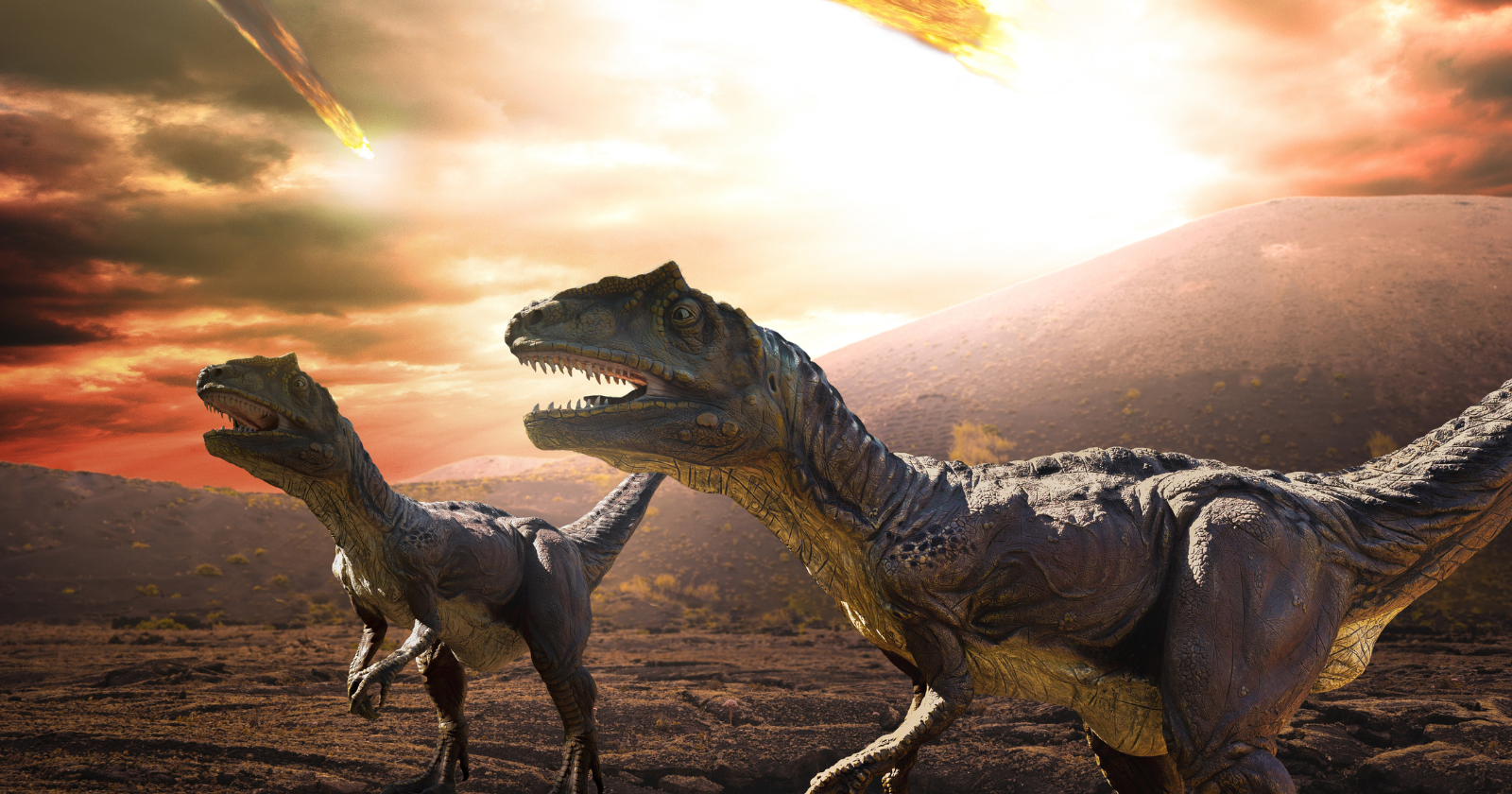
In a groundbreaking discovery that's rewriting the history books, a fossil site in the remote badlands of North Dakota has provided a chilling glimpse into one of the most pivotal moments in Earth's past: the day a massive asteroid slammed into our planet, sparking the devastating extinction event that wiped out the dinosaurs.
The site, known as Tanis, has been shrouded in mystery since its initial discovery in 2006, but recent excavations have shed new light on the catastrophic impact that reshaped our planet's ecosystem. Led by paleontologist Robert DePalma, the team has painstakingly pieced together a haunting narrative of the immediate aftermath of the asteroid strike, with findings that are nothing short of breathtaking.
The Hell Creek Formation: A Fossil-Rich Window into the Past
Tucked away in the Hell Creek Formation of southwestern North Dakota, Tanis is a treasure trove of fossils that have yielded a rare snapshot of the first minutes to hours after the Chicxulub asteroid impact 66 million years ago. The site's unique geology, with its layers of mudstone and sandstone, has preserved an astonishing array of evidence, including the telltale signatures of the impact that sent shockwaves around the globe.
'We've found an incredible array of fossils, including fish, plants, and even dinosaur remains,' DePalma explained in an interview. 'But what's truly remarkable is the presence of tiny glass beads, or spherules, that are embedded in the gills of the fish. These spherules are a direct result of the intense heat generated by the asteroid impact, and they're a smoking gun that confirms our theory of the impact zone.'
'The spherules are like tiny glass marbles, and they're scattered throughout the site like confetti,' DePalma noted. 'They're a tangible reminder of the cataclysmic event that unfolded in a matter of minutes.'
Unraveling the Apocalypse: A Story of Survival and Extinction
As DePalma's team delves deeper into the site, they're piecing together a harrowing tale of survival and extinction that's rewriting the narrative of the asteroid impact. The fossils they've uncovered reveal a world in chaos, with plants and animals struggling to cope with the sudden and catastrophic changes that swept the planet.
'We're seeing a story of fish swimming frantically, trying to escape the rising waters and the intense heat,' DePalma said. 'And yet, amidst the chaos, we're also finding signs of life, like the presence of plant material and the remains of small animals that may have survived the initial impact.'
What's Next for the Tanis Excavation
As the team continues to excavate Tanis, they're poised to unlock even more secrets of the asteroid impact. With the discovery of the spherules and the tantalizing hints of life in the aftermath of the disaster, DePalma and his colleagues are on the cusp of a major breakthrough that's sure to send shockwaves through the scientific community.
As we gaze upon the fossilized remains of a bygone era, we're reminded of the awe-inspiring power of nature and the delicate balance of our planet's ecosystem. The story of Tanis is a sobering reminder that, despite our best efforts, we're still vulnerable to the whims of the universe – and that even the smallest asteroid can hold the power to reshape our world forever.