
Voting Under the Shadow of Conflict: Syria's Northern Elections
As the sun rose over the war-torn streets of Hassakeh, residents in Syria's Kurdish-majority northeast province and the town of Kobani prepared to cast their...
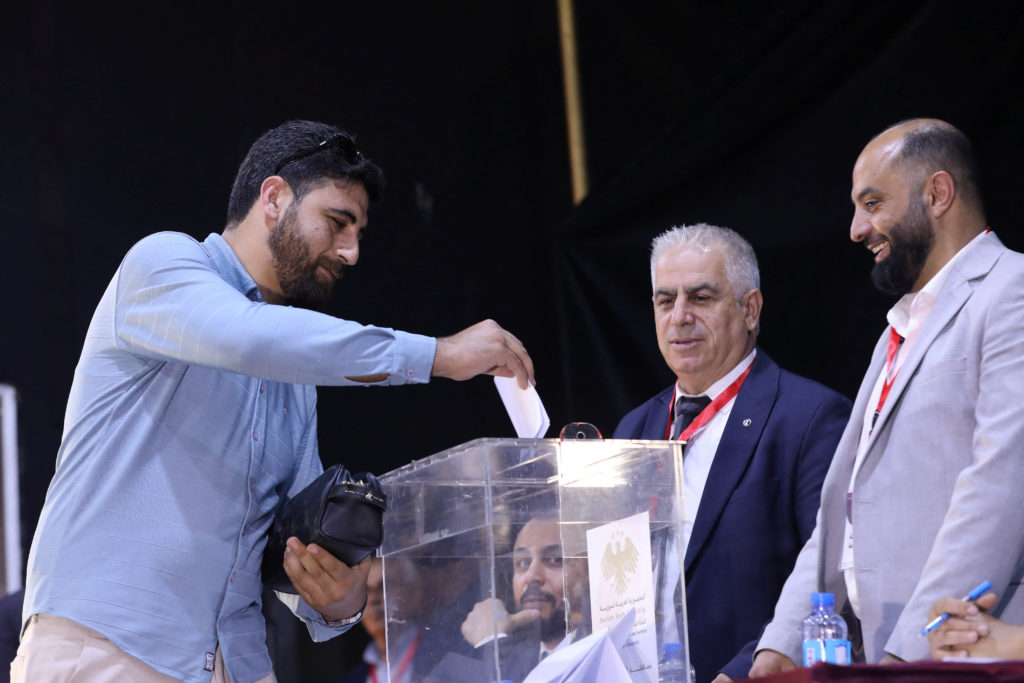
As the sun rose over the war-torn streets of Hassakeh, residents in Syria's Kurdish-majority northeast province and the town of Kobani prepared to cast their ballots in a parliamentary election, a stark reminder of the complexities and uncertainties of the region's politics. The election, held on Sunday, marked a rare moment of calm in a region still reeling from the aftermath of the Syrian conflict.
A Region Reborn
Once a stronghold of Kurdish autonomy, Hassakeh province and Kobani town had fallen under government control in January following a series of battles between Syrian government forces and Kurdish-led fighters. The reintroduction of government forces marked a turning point in the region's trajectory, raising questions about the future of Kurdish self-governance and the balance of power in northern Syria. As residents took to the polls, many expressed a mix of emotions, from hope to skepticism, about the prospect of a new era of governance.
“We have been through a lot in the past few years,” said Amira Khalil, a local resident in Hassakeh. “We have seen our friends and family members caught in the crossfire, and we have lost so much. But today, we are taking a step towards rebuilding and moving forward.”
A Delicate Balance of Power
The parliamentary elections, which were held in several other Syrian provinces as well, were seen as a crucial test of the government's commitment to reform and inclusivity. However, the electoral process was marred by reports of irregularities and voter suppression, fuelling concerns about the legitimacy of the outcome. In Hassakeh province, where Kurdish parties have traditionally held significant sway, the elections were seen as a key opportunity for Kurdish representation to be reflected in the national parliament.
With the Syrian government seeking to reassert its control over the region, the fate of Kurdish autonomy hangs precariously in the balance. As the results of the election begin to emerge, it remains to be seen whether the government's commitment to inclusivity will be matched by a genuine willingness to share power with Kurdish parties and stakeholders.
What's Next
As the dust settles on Sunday's election, the people of Hassakeh province and Kobani town will be watching closely to see whether the outcome will bring about meaningful change or perpetuate the status quo. The road ahead will be long and arduous, marked by the complex interplay of regional and national interests. One thing, however, is clear: the people of northern Syria deserve a government that truly represents their aspirations and reflects their diverse voices.


