Revolutionizing Energy: USS Gerald R. Ford Takes Center Stage
The U.S. Navy is poised to unleash a game-changing innovation this summer, as the aircraft carrier USS Gerald R. Ford is set to become a floating nuclear power...
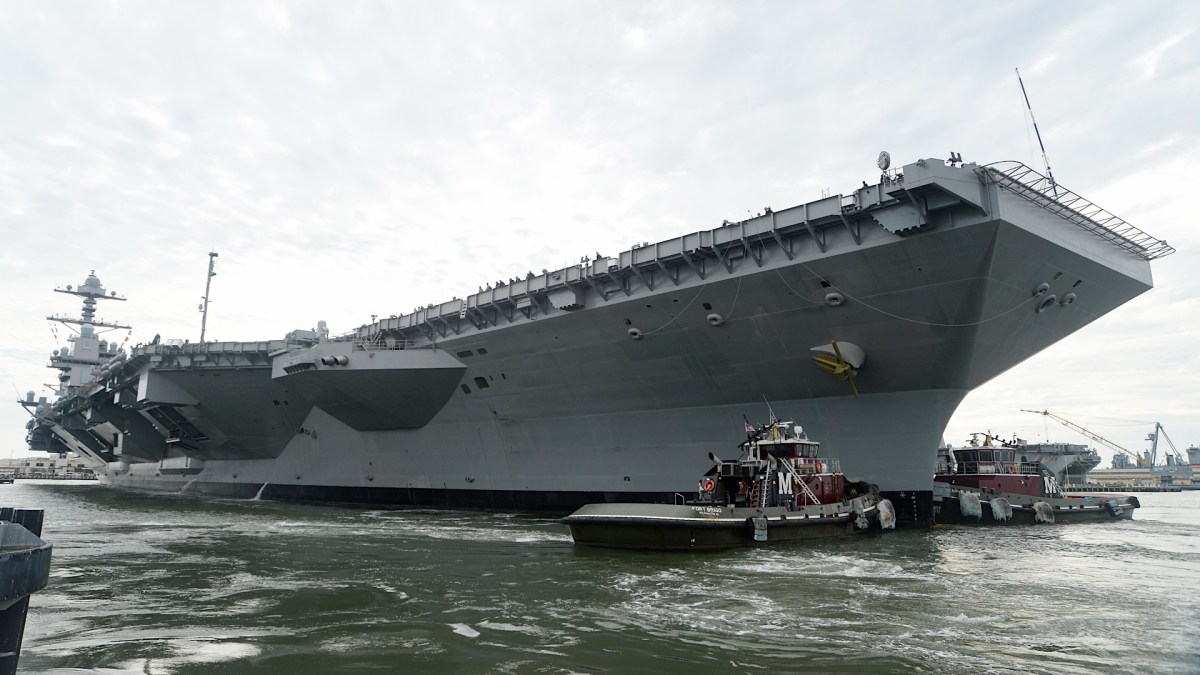
The U.S. Navy is poised to unleash a game-changing innovation this summer, as the aircraft carrier USS Gerald R. Ford is set to become a floating nuclear power plant, providing a reliable and sustainable source of energy for facilities on land. This technological marvel, born out of the intersection of military might and cutting-edge science, promises to redefine the way we think about energy production and consumption.
A Beacon of Energy Independence
The USS Gerald R. Ford, the most advanced warship in the world, will embark on a historic mission to harness the power of its onboard nuclear reactors to supply electricity to nearby land-based facilities. This pioneering experiment marks a significant milestone in the convergence of military and civilian applications of nuclear energy. By leveraging the ship's existing infrastructure, the Navy aims to showcase the potential of floating nuclear power plants as a viable solution for remote or disaster-stricken areas, where traditional energy infrastructure is scarce or non-existent.
"This is a huge step forward for the Navy and for our nation," said Rear Admiral Tom Wilson, the Navy's Deputy Chief of Naval Operations for Warfare Systems. "We're not just talking about providing power to a few villages; we're talking about creating a model for sustainable energy production that can be replicated around the world."
Technological Breakthroughs and Safety Assurances
The USS Gerald R. Ford's nuclear reactors, designed by Westinghouse Electric Company, will operate at a power level of 250 megawatts, sufficient to power a small city. The ship's advanced cooling systems and containment structures ensure a high level of safety, making it an ideal test bed for this groundbreaking innovation. By integrating the nuclear reactors with cutting-edge energy storage systems, the Navy aims to minimize waste and maximize efficiency, paving the way for a more sustainable energy future.
What's Next
As the USS Gerald R. Ford embarks on its historic mission, experts predict a significant leap forward in the development of floating nuclear power plants. This innovation has far-reaching implications for disaster relief efforts, remote communities, and even military operations. The Navy's bold experiment will not only demonstrate the feasibility of this technology but also open up new avenues for collaboration with civilian organizations, industries, and governments. As the world grapples with the challenges of climate change, energy security, and sustainable development, the USS Gerald R. Ford's pioneering achievement serves as a beacon of hope and a testament to human ingenuity.
The summer of 2024 will be a defining moment in the history of energy production, as the USS Gerald R. Ford takes center stage in a technological revolution that has the potential to reshape our world. As the Navy's floating nuclear power plant sets sail, it carries with it the promise of a brighter, more sustainable future for generations to come."